Search Results
1171 results for “balanced nutrition”

Preventing and Treating Rabbit Pasteurellosis
Pasteurella multocida lives quietly in the nasal and tonsillar tissue of many healthy rabbits and strikes only when stress or poor husbandry lowers resistance, spreading through secretions and contaminated feed or water. Control it with strict sanitation, regular vaccination, and prompt antibiotic or antiserum treatment.

Samoyed Care Tips by Life Stage
The Samoyed is called the 'smiling angel' for its constant smile. To keep one healthy, learn the right care, grooming, and training for each stage. Here are Samoyed care tips by age.

Listless and Limp Turtle: Understanding Turtle Pneumonia
A turtle that is listless, limp, and refusing food is likely suffering from pneumonia—a serious illness needing prompt veterinary care. Watch for nasal discharge, wheezing, and open-mouth breathing, and treat with antibiotics (gentamicin, amoxicillin, azithromycin) plus warmth and vitamins; prevent it with good ventilation and stable humidity.

Why Is Your Fish Refusing Food? Causes and Fixes
Fish refuse food for many reasons: poor water quality, overfeeding/indigestion, illness (ich, enteritis), natural fasting, food boredom, sudden environmental change, or loneliness after losing tankmates. Fixes range from water changes and fasting to treating disease and restoring the school.

Do Rabbits Smell Bad? How to Handle Pet Odor at Home
Rabbits are clean animals that groom themselves, and as herbivores their droppings are not very smelly, so indoor rabbits usually cause little trouble. Still, some situations smell; here is why and what to do.
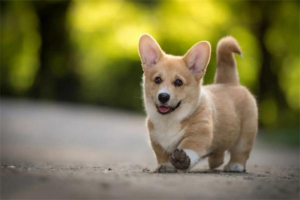
Why Won’t a Dog’s Ears Stand Up?
Whether a dog's ears stand up is mostly genetic; some naturally erect-eared breeds stand by about 3 months. Some never do. So a dog that won't stand usually lacks the gene or isn't old enough. Here are the reasons.

How to Feed an Exotic Shorthair Cat
Exotic Shorthairs need wide, shallow ceramic bowls and a small-nozzle bottle; small kibble fed on a schedule. Daily eye/nose care, brushing, ear checks, malocclusion watch, stool monitoring, diet variety, low-dust litter, and regular deworming and vaccines keep them healthy.

How to Care for a Dog in Its Growth Stage
A 'growth-stage' dog is one from weaning to adulthood. After weaning it is separated from the mother and moves from milk to puppy kibble. As it grows, its energy needs change, so its diet must change too. Here is how to manage a growing dog.
How long until a dog’s blood parasite disease relapses?
A dog's blood parasite disease can relapse, but the timing is not fixed. To prevent relapse, the owner must thoroughly deworm the dog and fully clean and disinfect the environment. Early treatment lowers the difficulty of a cure; initial signs include depression, appetite loss, vomiting, bloody stool, and fever.
How tall can a German Shepherd grow?
An adult German Shepherd is about 60-65 cm tall and 30-40 kg. It matures around 1 year but slows growth by 8 months when bones set; before 8 months give enough protein and calcium.