Search Results
1171 results for “balanced nutrition”
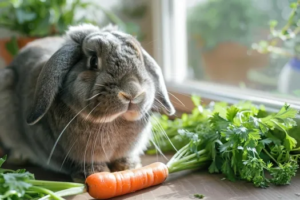
Why Is Your Rabbit Losing So Much Fur?
Heavy fur loss in rabbits can come from several causes, shedding season, poor nutrition, environment, parasites, or skin disease, so identify the cause before treating. Daily, brush and clean the coat to reduce loose fur, feed a balanced diet with enough protein, vitamins, and minerals, and keep the habitat dry, clean, and ventilated to avoid skin and parasite problems. If hair loss comes with other signs like itching, redness, or poor appetite, take the rabbit to a veterinary clinic for checks and treatment.

Four Winter Diet Points to Keep Cats Healthy
Cold weather means cats burn more energy and need smarter feeding to stay well. Beyond cat food, add freeze-dried meat snacks like chicken, quail, or herring to keep energy up, top up vitamins and trace elements, supplement calcium in moderation, and make sure your cat drinks enough warm water. These four adjustments help fend off the minor illnesses winter tends to bring.

Dietary Care for a Pregnant Cat
Pregnancy is a long, delicate process, and a mother cat's nutritional needs rise sharply before and after birth. Poor-quality food or a single, protein-poor diet can slow fetal growth and even cause miscarriage, while too much fat triggers obesity, a leading cause of pregnancy loss. This guide covers balanced feeding and three nutritious ingredients that support a healthy pregnancy.

How to Prevent Cat Diseases
Cats are vulnerable to illness, but not every disease is unavoidable. The best defense is a proactive daily routine that stops problems before they start. By keeping your cat clean, feeding a balanced professional diet, and staying consistent with vaccinations and parasite control, you dramatically lower the risk of common feline illnesses. This guide walks you through the three pillars of prevention so your cat stays healthy and your household stays safe.

Causes and Prevention of Liver Disease in Cats
The liver is the body's largest metabolic and digestive organ, and in cats it is closely tied to the blood, digestion, tendons, and eyesight. Liver disease can arise from nutritional or endocrine disorders, infections, or poisons such as arsenic, mercury, chloroform, and aflatoxin. Early signs are usually digestive, like vomiting, poor appetite, and pale stools, while later stages bring muscle tremors and weakness. Management focuses on the right balance of energy, protein, fat, and carbohydrates, plenty of vitamins, and a light, easily digested diet or a prescription liver formula to support recovery.

What to Do About Large Ear Hair Loss in Cats
Cats lose hair from season change, poor nutrition, or skin disease. Big patches, especially on the ears, point to ear mites or ringworm. For mites, clean with baby oil then apply drops for about two weeks; for ringworm, clip and wash the area, remove scabs, and apply clotrimazole plus vitamins. See a vet early for a correct diagnosis.

What Happens When You Overfeed a Turtle?
Overfeeding burdens a turtle's digestive system and can lead to diarrhea, indigestion, and gastroenteritis over time. Leftover food fouls the water, lowering immunity and raising the risk of eye infections, shell rot, and skin disease. Rapid growth that outpaces shell renewal can even cause deformity. To avoid these problems, control portion size and feeding method. Hatchlings need daily feeding, but no more than the size of the head; adults tolerate hunger well and can be fed every few days.

What Happens When Dogs Eat Unevenly?
Feeding a dog unevenly, with stretches of hunger followed by overeating, harms its health and happiness. A dog's digestive system needs steady nourishment; frequent starvation and binging strain it, causing indigestion, vomiting, or diarrhea. Long-term nutrient gaps can slow development, weaken immunity, and invite chronic disease, while the starve-binge cycle destabilizes weight. To keep a dog healthy, feed on a consistent schedule, keep portions balanced, and always provide fresh water.

Choosing a Cat Food Your Cat Will Love
With countless foods on the shelf, meet both quality and your cat's tastes. Cats can't make their own amino acids, so fish-rich food supports vision and hunting; a freeze-dried recipe built on high-quality fish and chicken with digestible milk powder boosts immunity and coat, plus vitamin A, E, and taurine for bright eyes. Pick a balanced, scientific formula.

Caring for Your Cat After Spay or Neuter Surgery
Under anesthesia your cat is dazed but inwardly anxious, angry, and fearful, and will rebound once home. Care: stay with it during anesthetic recovery (male cats may not blink—use eye drops); wait at least 6 hours before water and food, then give a quiet, clean space without over-attention; isolate from other cats and keep the E-collar on 7+ days to stop licking; watch for discharge or fever after 2–3 days and see a vet. Post-op prescription cans adds antibiotics and tempts appetite while keeping nutrition balanced (crucial—avoid constipation, especially females). No can? A plain steamed mash of chicken, liver, fish/beef, and egg works; the cat will eat more and may get sleepy and plump, so control portions.