Search Results
2848 results for “balance”

Reading White Blood Cell Counts in Canine Parvovirus
In canine parvovirus the white-cell count tracks the stage and the outlook: a rising count with a regenerative left shift means the marrow is mounting a strong response and the prognosis is good, while a falling count — especially below 3.0×10⁹/L and still dropping — points to a poor prognosis. A normal or only slightly raised count, or one with no left shift, shows the marrow has met the body's demand and also bodes well.
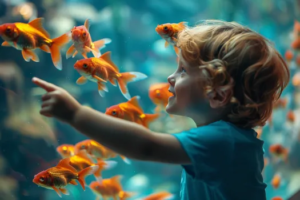
Why Is My Blood Parrot Cichlid Lethargic?
A blood parrot cichlid that stops swimming is usually reacting to unstable or low water temperature (keep it a steady 25–32°C, with water-change swings under 0.5°C), poor water quality, fright, or low oxygen — they need more air than most fish, so run an air pump 1–2 hours a day. Hold the temperature steady, filter and change water on a sensible schedule, keep the tank quiet, and treat parasites and bacteria regularly to keep the fish active.

What Is Canine Parvovirus
Canine parvovirus strikes dogs of any age but peaks in late autumn and summer; the enteric form brings sudden high fever, vomiting, and severe diarrhea in 2–6-month pups, while the myocardial form hits around 40-day puppies with sudden breathing trouble and collapse, often fatal within hours. Treatment protects the gut, supports the heart and fluids, and uses hyperimmune serum and antivirals early, with strict isolation and disinfection — and vaccination is the best defense.

Feline Glaucoma: Symptoms and Treatment
Glaucoma in cats comes from blocked drainage of aqueous humor, raising eye pressure and pressing on the optic nerve and retina, which causes pain and vision loss. Congenital cases have a faulty drainage angle, while secondary cases follow inflammation, tumors, trauma, or a dislocated lens; signs range from a cloudy, enlarged eye and dilated pupil to sudden redness and pain, and any vision lost is permanent — so pressure must be controlled early with drops or surgery.
Can a Blood Parrot Cichlid Floating Upside Down Be Saved?
A blood parrot cichlid floating belly-up is a medical emergency, but it can often be saved if you act fast. The usual causes are oxygen deprivation, a digestive blockage, or swim bladder disorder — treat with immediate water changes and aeration, a brief fast at warmer water (around 30°C), or shallow-water therapy for bladder trouble.

Why Is My Cat Having Diarrhea Again?
Diarrhea is loose or unformed stool from food moving too fast through the gut to absorb water and nutrients, and it can be acute or chronic. Causes range from infections, parasites, and diet changes to stress and underlying gut disease; at home, keep water available, feed small frequent easily digested meals, and use smectite or pet probiotics for mild cases — but see a vet for blood, fever, lethargy, or ongoing diarrhea in an unvaccinated cat.
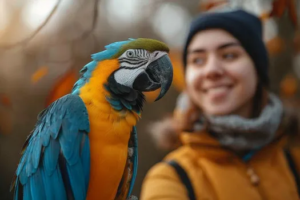
Best Ways to Treat Diarrhea in a Budgerigar
Diarrhea in budgerigars shows as watery, discolored droppings, a soiled vent, lethargy, and extra drinking — and can be fatal if ignored. Start with garlic water and warmth for a day or two, move to oxytetracycline if there's no improvement, and suspect chlamydia (psittacosis) when eye and nose discharge appear.
Why Cats Foam at the Mouth and How to Treat It
Foaming at the mouth in cats often comes from excess stomach acid, unsuitable or excessive food, poisoning (lilies, acetaminophen), or stress. Treatment depends on the cause — fasting and antibiotics for gastritis, smaller fiber-rich meals for food issues, immediate vet care for poisoning, and a gentle transition for stress.

How to Feed Cats at Different Life Stages
Feeding changes with age: newborn kittens need mother's milk or kitten formula (never cow's milk), wean onto soaked kitten kibble by two to four months, add cans and egg yolk through six months, switch to adult food after a year, and move seniors to soft or soaked meals. Match the diet to each stage to avoid malnutrition and tummy trouble.

How to Help Your Cat Develop Full Cheek Jowls
Full cheek jowls are a male, breed-linked trait — Sphynx, calico, Devon Rex, and Siamese cats rarely develop them, so don't overfeed a cat that won't. For cats that can, deworm monthly, feed a protein-rich diet (35%+ kibble plus meat and egg yolk), and add vitamins; skip the daily nutritional paste, which just drives obesity.