Search Results
2848 results for “balance”

Arthritis in Dogs and Cats: Symptoms, Medication & Care
Arthritis in pets brings red, swollen, painful joints and can end in deformity or paralysis. This guide covers causes, joint supplements (chondroitin, calcium, meloxicam), and prevention through a dry, warm environment, diet, and moderate exercise.

Should You Put Your Pet on a Diet? The Five Harms of Obesity
Obesity in dogs and cats raises risks of heart disease, diabetes, joint damage, anesthesia complications, and urinary stones. Safe weight loss means controlled diet and moderate exercise—never fasting or 'quick fix' methods.

Gastroenteritis in Dogs and Cats: Types, Symptoms & Medication
Gastroenteritis in dogs and cats spans gastritis (acute/chronic) and enteritis (viral, bacterial, parasitic). This guide covers causes, symptoms, and the medication approach—anti-inflammatories, anti-vomiting, anti-diarrhea, dewormers, probiotics—plus prevention.

Treatment and Prevention of Stud Tail Dermatitis in Cats
Stud tail is usually mild but recurs and needs ongoing care. Treatment includes medicated benzoyl-peroxide baths, topical antibiotics, neutering, and—if severe—cellulitis care. Prevention centers on diet, hygiene, and neutering.
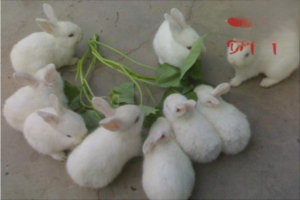
Causes and Symptoms of Constipation in Rabbits
Rabbit constipation shows as reduced appetite, hard dry droppings, a swollen tender belly, and stopped defecation. Causes include poor diet, low water, little exercise, and anal disease; treatment is food withdrawal, water, enema, and oils.

Leaving Stud Tail Untreated Can Lead to Cellulitis
Untreated stud tail in cats can progress from blackheads to folliculitis and even cellulitis—painful, spreading skin infection. This article explains the risk and the treatment steps (cleaning, antibiotics, neutering).

What Is Stud Tail in Cats and How to Treat It
Stud tail (tail gland hyperplasia) is an oily, acne-like skin condition in cats caused by hormone-driven sebum overproduction—common in intact males. Learn its causes and the treatment approach: neutering, antibiotics, and topical cleaning.

Feline Rhinotracheitis (Cat Flu): Symptoms and Treatment
Feline rhinotracheitis, also called infectious rhinotracheitis, is a highly contagious herpesvirus infection causing fever, sneezing, eye discharge, and sometimes death—especially in kittens. This article covers its causes, symptoms, medication-based treatment, and vaccine prevention.

What Medication for Bleeding, Suppurating Cat Tail Folliculitis
Tail folliculitis comes from overactive sebaceous glands clogging pores, mostly in males; neutering often stops it. When it bleeds or suppurates, bacterial infection (pyoderma) is likely—see a vet. This article covers the steps.
Why Cat Folliculitis Keeps Recurring
Recurring cat folliculitis is usually tied to diet and endocrine issues, or stopping medication too early. This article covers the causes and prevention.