Search Results
2848 results for “balance”

Lactose Intolerance in Dogs and Cats
Lactose intolerance in dogs and cats is the inability to digest lactose in milk and dairy products because of low lactase activity in the intestinal lining. It causes osmotic diarrhea, abdominal discomfort, and a gurgling abdomen after dairy is consumed, and resolves simply by removing dairy from the diet.

Canine and Feline Diabetes Insipidus
Diabetes insipidus is a disorder of water balance in which the body cannot concentrate urine, causing massive drinking and urination. It results from low antidiuretic hormone or unresponsive kidneys, and is managed by treating the cause and replacing the hormone.

Canine and Feline Estrogen Excess
Estrogen excess happens when the ovaries overproduce estrogen or estrogen is given in excess, leading to symmetric hair loss, skin changes, and reproductive-tract problems. It is corrected by stopping the source and, in tumor cases, surgical removal.

Canine and Feline Insulin Deficiency (Diabetes Mellitus)
Diabetes mellitus develops when the pancreas cannot make enough insulin, so blood sugar stays high. It causes increased thirst and urination, weight loss, and poor appetite, and is managed with insulin therapy plus dietary and weight control.

Canine and Feline Hypoadrenocorticism (Addison’s Disease)
Hypoadrenocorticism, or Addison's disease, occurs when the adrenal glands fail to produce enough cortisol and aldosterone. It causes vague signs such as lethargy, vomiting, diarrhea, and poor appetite, and acute crises can be life-threatening without prompt treatment.

Hyperparathyroidism in Dogs and Cats
Hyperparathyroidism is excess parathyroid hormone from a tumor or dietary imbalance that disrupts calcium-phosphorus balance, causing poor appetite, vomiting, weakness, and urinary stones or kidney failure. Treatment targets the cause and corrects calcium.

Hyperthyroidism in Dogs and Cats
Hyperthyroidism is excess thyroid hormone from a thyroid tumor or hyperplasia that raises metabolism and nerve excitability. It causes weight loss with increased appetite, a fast or irregular heartbeat, and hyperactivity, and is managed with antithyroid drugs, radioactive iodine, or surgery.

Cervical Spondylomyelopathy (Wobbler Syndrome) in Dogs and Cats
Cervical spondylomyelopathy, also called Wobbler syndrome, is a progressive compression of the cervical spinal cord that causes weakening and incoordination of all four limbs. It is most often seen in young Great Danes and middle-aged to older Dobermans, and both conservative and surgical care may be needed.
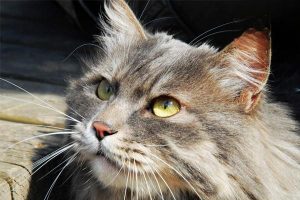
Hepatic Encephalopathy in Dogs and Cats
Hepatic encephalopathy is a neurological syndrome in dogs and cats caused by liver dysfunction that allows toxic metabolites such as ammonia to reach the brain. It produces recurring signs ranging from lethargy and ataxia to seizures, circling, and coma, and is often triggered by high-protein meals, gastrointestinal bleeding, or dehydration.

Epilepsy in Dogs and Cats: Symptoms, Treatment, and Prevention
Epilepsy is recurrent seizure activity from sudden abnormal electrical discharges in the brain, either inherited (primary) or caused by underlying disease (secondary). It brings brief loss of consciousness and convulsions, and is managed with anti-seizure medication and trigger avoidance.