Search Results
2848 results for “balance”

Sepsis in Dogs and Cats
Sepsis is a whole-body infection that arises when bacteria and their toxins spread from a local source such as a wound, burn, or urinary infection. It causes high fever, collapse, and organ damage, and is life-threatening without prompt care.
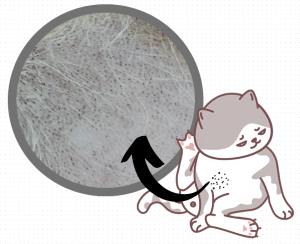
Black Dots on Your Cat’s Skin: Folliculitis, or ‘Black Chin’ and ‘Stud Tail’
Black dots on a cat's skin are usually the early sign of folliculitis, like blackheads, driven by excess sebum, blocked follicles, and bacterial infection. On the chin it is called black chin, and on the tail stud tail or oily tail, both managed with gentle localized cleaning and diet adjustments.

Folliculitis in Dogs and Cats
Folliculitis is inflammation of the hair follicles, often from bacteria, mites, or hormone imbalance. It causes hair loss, itching, and red, swollen skin, and can spread into deeper infection. Early diagnosis and antimicrobial care prevent it from becoming deep pyoderma.

Shock in Dogs and Cats
Shock is acute circulatory failure that leaves vital organs starved of oxygen. It can follow severe disease, trauma, or poisoning, and shows as pale gums, weakness, cold extremities, and collapse. Treating the underlying cause is the foundation of recovery.

Carbon Monoxide Poisoning in Dogs and Cats
Carbon monoxide poisoning occurs when pets breathe gas from faulty heaters, car exhaust, or confined smoke. It binds to blood and starves tissues of oxygen, causing vomiting, weakness, bright-red gums, seizures, and coma. Move the pet to fresh air and get veterinary help at once.

Sulfonamide Antibiotic Poisoning in Dogs and Cats
Sulfonamide antibiotics can poison sensitive pets or when overused, causing nervous signs, urinary crystal problems and blood-cell disorders such as anaemia. Stopping the drug, flushing the urine and supportive care are the main steps.

Salt Poisoning in Dogs and Cats
Eating too much common salt irritates the gut and over-excites the brain, causing restlessness, muscle tremor, thirst, little urine and dehydration; severe cases can be fatal. Fresh water and careful correction of electrolytes are the mainstay.

Food Poisoning in Dogs and Cats
Food poisoning occurs when pets eat spoiled food whose bacteria have produced toxins. Signs are depression, vomiting, diarrhoea and a swollen abdomen, and severe cases can die within half a day without prompt care.

Pica in Dogs and Cats
Pica is the compulsive eating of non-food objects such as stones, plastic, grass or wall plaster. It often signals a nutritional gap, pancreatic disease or parasites, and swallowed items can obstruct or perforate the digestive tract.

Obesity in Dogs and Cats
Obesity is an excess of body fat that develops when energy intake consistently exceeds expenditure. It is common in pets fed too much, exercised too little, or affected by endocrine disease, and it predisposes to heart disease, diabetes and a shorter life.