Search Results
2848 results for “balance”

How to Tell If Your Dog Has Canine Distemper
Canine distemper is a highly contagious, often fatal viral disease. Watch for fever around 40°C or higher, cough, runny nose, vomiting, diarrhea, lethargy, and red swollen eyes. These signs overlap with a common cold, but distemper brings higher fever, lost appetite, cough, eye discharge, and labored breathing, while a cold usually does not. If you suspect distemper, isolate the dog at once and see a vet; treatment uses antivirals, antibiotics, and nutritional support, and early care greatly improves the odds. Vaccination remains the best prevention.

CoQ10 for Cats and Dogs: Food Sources, Benefits, and Who Needs It
Coenzyme Q10 (CoQ10, or ubiquinone) is a fat-soluble compound that helps cells make energy and is concentrated in high-demand organs such as the heart, liver, and kidneys. Most healthy pets make enough on their own, but seniors, certain breeds, and pets with heart conditions may benefit from supplementation. This guide covers what CoQ10 does, which foods naturally contain it, which pets are most likely to need a supplement, and the key safety precautions to keep in mind.

What to Do When Your Chinchilla Has Gas and Bloating
Chinchilla bloating usually comes from eating too much or too fast, poor nutrition, or digestive disease. When it happens, stop feeding briefly to ease the gut, and avoid large single meals going forward. Raise the hay ratio in the diet to add fiber and support gut movement, and gently massage the abdomen from left to right and top to bottom to help expel gas. If bloating is severe or recurring, add a pet probiotic to balance the gut flora and aid digestion. Keep the cage clean, control portions, and provide space to exercise so gas problems are less likely to return.

What to Do When Your Cat Is Addicted to Flavor Enhancers
Some low-quality cat foods rely on artificial flavor enhancers to make cats overeat, creating a false impression that the food is popular. While small amounts of natural enhancers are harmless and even nutritious, artificial ones such as sodium glutamate, pyrophosphates, and meat flavorings can lead to dependence and poor nutrition. If your cat is already hooked, switch gradually to a high-quality natural diet using a slow transition plan, mixing old and new food over roughly two to three weeks. Add nutritious toppers like wet food or supplement paste, and always choose reputable brands so your cat gets balanced nutrition instead of empty calories.
How do I train a Corgi to be obedient?
Train a Corgi with balanced rewards and corrections, starting young. Early lessons are leash work and sitting: on 'walk' keep it at your left (pull back if too fast, right if too far), rewarding after each correction; on 'sit' it must stay until released, and a gentle rump press shows the right move. Build up gradually and it becomes reliably obedient.
Can canine coronavirus heal on its own?
Canine coronavirus generally won't self-heal - the RNA virus keeps replicating and damaging the immune system, causing vomiting, diarrhea, appetite loss, and lethargy, and untreated it can kill via severe dehydration, electrolyte imbalance, or sepsis. The course is about a week with days 2-3 the danger period, so get vet care: mainly IV electrolytes plus symptomatic and antiviral biological treatment.
How do I care for a chili (red-claw) crab?
Keep chili crabs in brackish water (add a little sea salt if you lack seawater), in shallow water about 13 cm deep, with sand and rocks on the bottom to mimic their natural habitat. Their diet is simple - aquatic plants, fish meat, brine shrimp, plus some fruit and vegetables for balance - but clear away leftovers so the water doesn't spoil.
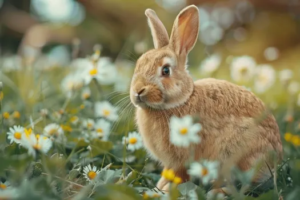
What Deficiency Causes Pica in Rabbits
Rabbit pica can stem from lacking trace elements such as zinc, iron, manganese, iodine, and selenium, plus calcium, phosphorus, and fiber. A varied, balanced diet of hays, pellets, fresh vegetables, and water covers these needs. Pica can also reflect missing chew outlets, boredom, too little exercise, or anxiety, so environment and mood matter too. If diet correction does not help, a vet check is wise.
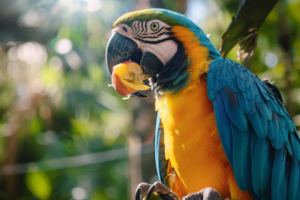
Why Is Your Parrot Refusing to Eat
A parrot that stops eating may be reacting to a new environment, disliking bland or single-note food, feeling stressed or anxious, or being ill. Most adjust to a new home within two to three days; illness brings lethargy, ruffled feathers, vomiting, or long appetite loss and needs a vet. Offer balanced species-specific feed with fruit, vegetables, and grains, give social interaction, and keep the cage clean, warm, and sunny.
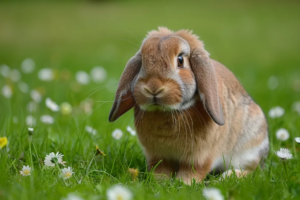
What to Do When Your Rabbit Is a Picky Eater
A picky rabbit may refuse food because of taste preference, a recent environment change, or dental trouble. Offer variety, fresh food, and a gradual switch to new items, and avoid overfeeding treats. Check teeth and mouth regularly, keep the diet balanced, and give enough space and exercise. Persistent pickiness with other symptoms warrants a veterinary check, since poor intake risks nutrient deficiency and weak growth.