Search Results
2848 results for “balance”
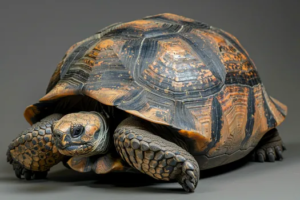
What Are the Common Deep-Water Turtle Species?
Common deep-water turtles include the snapping turtle, pig-nosed turtle, map turtle, musk turtle, and painted turtle, and most mud turtles also prefer deep water. Each species has different habits, so match the setup to the turtle you choose. The pig-nosed turtle is a strong swimmer that lives in water year-round and needs no basking platform, but it is demanding about water quality. Map turtles need good basking areas and like live prey.

Which Turtles Prefer a Vegetarian Diet?
Most turtles are omnivorous and eat both plant and animal matter, but several species lean strongly toward plants. The Burmese peacock turtle is a rare, almost exclusively herbivorous species, while the impressed tortoise, yellow-spotted side-neck, yellow-headed temple turtle, and Asian giant turtle also prefer vegetation. Because a fully plant-based diet can cause nutritional gaps in side-necks and temple turtles, keepers should supplement with some animal or processed food to keep the diet balanced. Always wash fruits and vegetables before feeding and remove leftovers promptly so the turtle does not eat spoiled food.

Symptoms of Canine Leptospirosis
Leptospirosis is a serious dog disease caused by Leptospira bacteria - also called infectious jaundice or hemorrhagic jaundice - that spreads through skin, mucus membranes, and contaminated food or water, often peaking in summer and early autumn. Two forms stand out: one brings sudden fever, vomiting, dark bile-colored urine, yellow gums, and bleeding, while the other causes vomiting and bloody diarrhea with mouth ulcers and a death rate of 60-80 percent in acute cases. Diagnosis uses microscopy, culture, and blood tests, and treatment pairs antibiotics with liver and fluid support. Clean housing, rodent control, quarantine, and the two-type vaccine are the key preventives.

What Is Canine Salmonellosis
Canine salmonellosis is a group of infections caused by bacteria of the Salmonella genus, which can affect both dogs and people. Dogs pick it up from sick animals, contaminated food and water, or even healthy-looking carrier dogs, and the illness ranges from silent carriage to severe, life-threatening septicemia in young puppies. Signs include fever, vomiting, watery or bloody diarrhea, and rapid dehydration. Diagnosis relies on culture and identification of the bacteria from stool or organs, and treatment pairs antibacterial drugs with fluid and symptom support. Careful food handling and a clean environment are the cornerstones of prevention.

How to Tell When a Turtle Is Hungry
A hungry turtle stretches its neck and crawls quickly toward its owner, may bite tank mates' limbs and tails in a shared tank, paddles restlessly searching for food, chews on decorations, eats instantly when fed, and may even mistake a finger for food. Turtles are extremely tolerant of fasting and can survive weeks without eating, but long hunger harms their health. Feed on a schedule, raise frequency in summer, and reduce it in winter, stopping entirely during hibernation.

Does a Folded Tail Affect a Cat Much?
A folded (kinked) tail doesn't stop a cat from living normally, but it signals a genetic weakness—common in Siamese cats—that can mean a weaker constitution, poorer balance, and a shorter life. With careful care these cats live well and stay healthy, but because the trait is inherited and can pass on a frailer build, breeding folded-tail cats is generally discouraged. The tail is a balance organ, so affected cats are less steady jumpers. Tell a folded tail apart from a short tail: Japanese, American, and British Shorthairs are short-tailed by breed, not defect, and can breed normally. Support a folded-tail cat with good nutrition and warmth.

What to Do If Your Turtle Eats Only Meat and Rejects Pellets
A turtle that refuses pellets for meat usually has a taste preference or a digestion issue, but long-term meat eating risks gut inflammation, pickiness, malnutrition, and fatty liver. First check that the pellets are fresh and clean, or try a different brand, shape, or flavor—always soak pellets in water so the turtle can swallow. You can also change the routine: more swimming time and sunlight boost appetite. The firm fix is 'starvation training'—offer only pellets, no meat, until hunger wins. If nothing works, or you're unsure the turtle needs food, consult a veterinarian for a tailored plan.
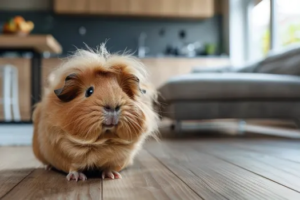
Why Does Your Hamster Have Soft Stools?
Hamster soft stools can stem from diet, infection, water, or stress. A fragile digestive system reacts badly to too much fruit or vegetable, moldy food, or unbalanced feed; bacteria or viruses can inflame the gut; poor or scarce water upsets it; and heat, environmental change, or fright lowers immunity. If you see soft stools, cut back on produce, check the water source, switch to a balanced diet with more protein and fat, keep the cage clean, and consider probiotics or medication for serious cases. If stools come with poor appetite or low energy, see a veterinarian promptly.

Will Changing Dog Food Hurt the Gut?
Why switch? Nutrition balance - eating one food forever risks deficiency; safety - some feeds use questionable 4D sources, unneeded flavor additives and heavy preservatives linked to chronic disease; and appetite - same taste daily breeds boredom (imagine burgers forever). Does switching hurt? A single-food gut makes narrow enzymes, so a sudden swap causes soft stool or diarrhea. The 7-day method fixes it: raise the new-food ratio daily until day seven is all new, avoiding digestive stress. Switch about every three months, or anytime if no reaction; mixing two foods for broader nutrition is fine. Picky eating comes not from switching but from rewarding refused food with tastier food - the dog learns refusal pays off.

Why Cats Get Diabetes
Diabetes is an endocrine disease where too little insulin or poor insulin response raises blood sugar, disturbing carbs, protein and fat and causing electrolyte imbalance. Cats have three types (I insulin-dependent, II non-insulin-dependent, III secondary); type II is common and, happily, preventable. The real drivers are diet and exercise, not just 'obesity' - high-carbohydrate commercial kibble turns to fat in a short gut that needs little carbohydrate. Signs: excessive drinking and eating with weight loss, 3-5x urine, walking difficulty, and late ataxia even paralysis. Complications bring lethargy, dull coat, vomiting, dehydration, sweet breath, coma. Prevent and treat with fixed high-protein, low-carb meals, regular activity, weight and check-up monitoring; many cats live well with medicine and good management.