Search Results
2849 results for “balance”

What to Do When Your Dog’s Hind Leg Cramps
A dog's hind-leg cramp can come from poor nutrition, overexercise, low temperature, or too little activity and sore muscles. When it happens, gently massage or apply a warm compress to ease the muscle, then rest the dog in a quiet, warm place. Balance the diet, exercise moderately, and keep the environment at a comfortable temperature to lower the chance of cramps.

Can Cats Eat Rice?
Cats can eat rice, but only in small amounts, never as a staple. As obligate carnivores they need protein from meat, fish, and poultry, and lack enough amylase to handle large amounts of carbohydrates, so too much rice causes digestive trouble. If you offer rice, give a little plain steamed white rice with no oil, salt, or seasoning.

How to Treat Hair Loss Behind a Hamster’s Ears
Hair loss behind a hamster's ears can come from allergies, bacterial infection, or parasites. Trim the fur around the spot, rinse it with saline, pat dry, and apply a small-pet skin cream or antibiotic ointment, watching for 3 to 5 days. If it does not improve, see a vet. Keep the cage clean and disinfect it often, and add vitamins and protein to aid recovery.

Boiled Meat, Raw Food, or Kibble: Feeding Your Cat or Dog Wisely
Many owners cook plain boiled meat for their pets, thinking it is cheaper or safer than commercial food. But domestication has shifted companion cats and dogs away from strict carnivores, and feeding only boiled meat long term risks calcium-phosphorus imbalance and kidney strain. This guide explains how to balance a home-cooked diet for dogs and cats, why boiled meat beats raw for most homes, and how commercial kibble fits in. The takeaway: boiled meat is fine, but only when fed as part of a balanced, well-planned diet.

What to Do When Your Rabbit Keeps Sneezing
Rabbits have sensitive noses, so frequent sneezing can signal anything from a mild allergy to a respiratory infection. Common triggers include pollen and dust allergies, poor diet, colds caught in damp or cold environments, and sinusitis. If your rabbit sneezes occasionally with no other signs, it is usually nothing to worry about. But if sneezing is frequent or paired with discharge, coughing, or red eyes, you should improve the living environment, adjust the diet, identify and remove allergens, and seek a veterinarian's advice. This guide walks through the likely causes and the practical steps you can take at home before a clinic visit becomes necessary.

Why Does Your Pet Rabbit Smell?
A strong rabbit odor can come from diet, poor hygiene, health problems, or sex differences. To reduce it, manage the diet and living space, clean the rabbit appropriately, and check its health regularly. Most odor comes from urine and droppings, so clean the habitat often to stop them from lingering.

How Long Do Rabbits Live?
A rabbit's lifespan depends on breed, genetics, diet, environment, daily care, and disease prevention. To extend it, give your rabbit a good home, proper diet and care, and timely health attention. With a clean environment, scientific feeding, and routine care plus prevention, you can greatly lengthen a rabbit's life and share more happy years together.
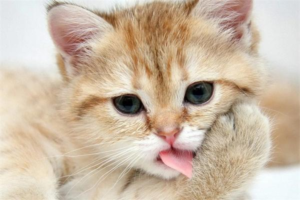
What Are the Risks of Shaving Your Pet?
Shaving a pet can weaken its temperature control, raise the chance of skin allergy or other skin problems, lower coat quality, and affect its mood. Weigh the pros and cons before shaving, and if it is not necessary, it is best not to shave. If you must, use the right tools and method to avoid skin injury.

Bad Breath in Dogs and Cats Is Not “Heat”—3 Types to Self-Check
When dogs or cats have bad breath, many owners assume “heat” and reach for cooling teas or herbs—but most pet halitosis is a disease signal, not a temperature issue. A rotten, fishy odor with red gums, tartar, hesitant eating, or drooling points to periodontal disease (over 70% of pets over 3 years); a strong urine or ammonia smell with extra drinking, extra urination, lethargy, and low appetite signals declining kidney function; and a sour, fermented odor with burping, acid reflux, worse on an empty stomach, and soft stool points to gut or liver trouble. Mild breath, teething at 3–6 months, or a meaty diet smell are normal. Severe or symptomatic breath warrants a vet visit—blood and organ checks—not “cooling” remedies.
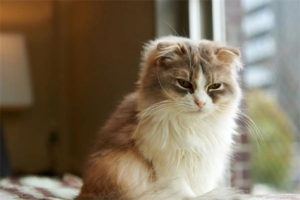
Why Does Cat Fur Become Matted and Hard?
Matted, hardened fur is a common and frustrating problem for many cat owners, and it can seriously affect a cat's comfort and appearance. The issue usually stems from poor grooming habits, an unbalanced diet that lacks essential vitamins and protein, or underlying health problems such as skin infections, inflammation, or fungal disease. When fur is not brushed regularly, loose hairs tangle together and trap dirt, forming tight, stiff mats. In most cases the problem can be prevented and improved through daily brushing, a balanced diet, and routine professional grooming. However, if matting appears together with skin redness, hair loss, or other abnormal signs, a timely visit to the veterinarian is the safest approach.