Search Results
2849 results for “balance”

What’s the Difference Between Cat Food and Dog Food?
Cat and dog foods differ in ingredients, nutrition, texture, and purpose. Cat food is richer in animal protein and contains taurine, which dogs don't need; feeding a cat dog food long-term causes malnutrition, poor coat, and taurine-deficiency heart and eye damage. Always feed species-appropriate food.

What Causes Periodontitis in Cats?
Poor oral hygiene and a wet-food diet are the main drivers of feline periodontitis: leftover food turns into plaque and tartar that inflame the gum and deeper tissues. Brush regularly, feed tooth-friendly dry food, and for mild cases try at-home care such as saline rinses and an antibacterial oral spray.

Is It Normal for a Chinchilla’s Whiskers to Shorten or Fall Out?
Shortening or lost whiskers can be normal (natural wear, mutual nibbling, routine shedding) or a sign of trouble (barbering, disease, or poor nutrition). Normal loss needs no action, but sudden heavy loss with redness or fur loss warrants a vet visit.

Why Does My Dog Have Increased Dandruff?
Dog dandruff can rise from poor nutrition, dry air, over- or under-bathing, skin infections, parasites, or endocrine disease—each needing a different fix. If flaking is heavy or unexplained, see a vet for a targeted diagnosis; day to day, feed a balanced diet and use a proper pet shampoo.

How to Choose the Right Chinchilla Food
Choose chinchilla pellets by checking the ingredients (16–20% plant protein, at least 18% fiber, 2–5% fat), picking reputable brands, verifying freshness, and matching the formula to your pet's age and health. Transition to new food gradually and supplement with hay for fiber and dental wear.

A Cat’s Mild Black Chin (Feline Acne) Cleared Up
Feline acne (often called 'black chin') shows up as tiny dark specks along the lower jaw, usually from a fatty diet, plastic bowls, or poor cleaning. With a vet-recommended antibacterial skin spray and B-complex vitamins plus daily chin cleaning, mild cases clear up within a couple of weeks. Switch to ceramic or stainless bowls and keep the chin dry to prevent recurrence.

How to Prevent Rabbit Hemorrhagic Disease (Rabbit Fever)
Preventing rabbit hemorrhagic disease relies on four pillars: management, vaccination, cross-infection control, and emergency response. Strict sanitation, regular single-strain vaccination, quarantining new rabbits, and banning visitors and stock from infected areas sharply cut outbreak and death rates.

How Long Can a Dog with Uremia Survive?
A dog's life expectancy with uremia depends on disease stage, how quickly treatment begins, age, constitution, and nursing care. Early-stage dogs can live a long time with active treatment, while late-stage uremia is usually irreversible and may be fatal within days to a month.

How Long Can a Dog with Neuritis Survive?
A dog's survival time with neuritis depends on severity, how quickly treatment begins, and the quality of at-home care — there is no fixed number. Mild cases can recover in 1–2 weeks with prompt treatment, while severe cases affecting the brain stem can be fatal within about a week.
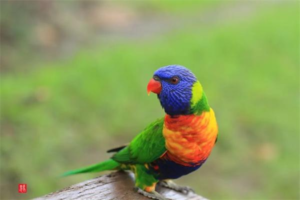
How to Clip a Parrot’s Flight Feathers Safely
Clipping a parrot's flight feathers lets it fly safely in a small space without escaping—protecting both bird and owner while preserving some flight ability. It is a skill that needs patience and practice to avoid injury. The key is to trim only the outer flight feathers (never the down feathers or blood-filled shafts), keep both wings symmetrical, and cut about half to two-thirds at a 90-degree angle. Done calmly on a relaxed, well-fed bird and finished with a gentle antiseptic, feather clipping is a safe, optional management tool.