Search Results
2849 results for “balance”

Do Kittens Get Diarrhea With the Seasons?
Kittens often get loose stools at season changes because shifts in temperature, humidity, and pressure stress sensitive cats and upset gut flora, worsened by cold bellies and abrupt diet changes. Keep them warm, keep the diet simple, and add a probiotic (Bacillus subtilis, Saccharomyces boulardii); if diarrhea is watery, bloody, smelly, with lethargy or other signs beyond 3 days, see a vet.

How to Pick Up a Dog Correctly
A correct hold keeps a dog comfortable and secure; a wrong one causes fear, struggling, and fall risk. Support the chest with one hand and the rear with the other, keep the body level and the belly down, and never let it dangle. Don't force a dog that dislikes being held, and avoid lifting large dogs.
How to Tell If a Cat Food Suits Your Cat
No food is 'best' — only 'right for your cat.' Watch appetite (boredom-eaters and frenzied gobblers both signal issues), stool (mild softness in week one is normal; past two weeks, or with vomiting and a sour smell, it's wrong), weight (too thin or over 10% gain), coat (dry, extra shedding), and signs like eye discharge, tears, bad breath, or chin acne. Try sample sizes first and switch over 7 days.

How to Manage a Cat’s Frequent Soft Stools
Frequent soft stools usually come from a sudden food change, allergy, bad food, parasites, or gut-flora imbalance. Keep a food diary, switch foods over 7 days, add a cat probiotic, cut environmental stress, and deworm regularly; if it persists with weight loss, a fecal test and prescription diet may be needed.
How to Spot Low-Quality Cat Food at a Glance
So-called 'toxic' cat food is rarely actual poison but poor nutrition — vague meat sources, too much grain or legumes, and preservatives like BHA, BHT, and menadione that harm cats over time. Check the ingredient list and price (genuine food is never rock-bottom cheap), and always switch brands gradually over about a week.

Why Is My Dog Chewing at Nothing? (Empty-Mouth Chewing)
When a dog chews with an empty mouth, the cause can range from harmless to serious: dental pain or gum infection, stomach upset from eating too fast, a foreign object, or parasites, neurologic disease or seizures (more likely if a parent had epilepsy), anxiety or stress relief, or simply savoring a remembered taste and seeking attention. Don't panic over occasional empty chewing with no other signs, it may just be a habit. But if it is frequent and joined by poor appetite or low energy, see a vet. Prevent oral disease with regular brushing and a balanced diet low in human snacks.
The Dangers of Feeding Bones to Dogs
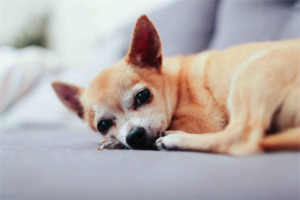
Feeding bones to dogs can cause intestinal blockages, mouth injuries, nutritional imbalances, and constipation. If you do offer bones, choose large, hard varieties (never small or brittle ones like chicken or fish), boil them plain, and keep the amount and frequency low.

Why Does My Dog Still Smell the Day After a Bath?
A dog that smells the day after a bath often has fur not fully dried, uncleaned ears or paw pads, too-long baths, hot water, harsh shampoo, or blocked/inflamed anal glands. Mouth odor from tartar, food bits, or gut disease also adds up. Use a pet shampoo, dry thoroughly, brush teeth and clean ears regularly, and express the anal glands to cut the smell.

When Does a Dog Enter Old Age?
Most dogs are considered seniors after about age 7, though the exact timing varies by breed, size, and genetics — large breeds often age around 7–8, small breeds closer to 10. Senior dogs need tailored diet, joint care, dental attention, gentle exercise, and regular checkups.

What Happens When a Cat Is Calcium Deficient?
Long-term calcium shortage can cause bone deformity, joint pain, dental problems, hair loss, muscle twitching, and odd behavior, harming health. Supplement under a vet's guidance with pet calcium tablets or liquid calcium, feed calcium-rich foods, allow safe sun exposure for vitamin D, and encourage exercise.