Search Results
2849 results for “balance”

Does My Dog’s Lipoma Need to Be Removed?
Whether a dog's lipoma needs surgery depends on its nature, size, growth rate, location, and effect on daily life. Small, slow-growing benign lumps usually need no removal, while fast-growing or irregular masses—and those pressing on joints or organs—often call for surgery. Older or frail dogs may be better served by conservative care such as medication, acupuncture, or massage.
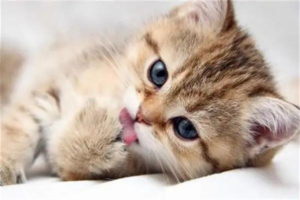
What Are the Signs of a Spoiled Cat?
A spoiled cat often shows clinginess, finicky eating, aggression, and constant demands for attention—behaviors rooted in over-indulgence rather than affection. Left unchecked, long-term pickiness harms nutrition and immunity, while possessiveness can turn into aggression toward people or other pets. Restoring balance means respecting the cat's independent nature, setting clear rules, and providing a stable, enrichment-rich environment.

Why Does My Dog Eat Everything?
Dogs that eat anything may simply be naturally food-driven, but constant scavenging or swallowing non-food objects points to a problem such as pica or internal parasites. Addressing it requires regular exercise, a consistent feeding routine, refusal training, and scheduled deworming. A balanced diet that supplies essential micronutrients also helps prevent nutrient-deficiency pica.

How to Handle Milk Engorgement in Nursing Dogs
Milk engorgement in lactating dogs is common and, when mild, can be eased by adjusting the diet and gently massaging or warm-compressing the mammary glands. Severe cases—especially those involving mastitis—require prompt veterinary attention, often with antibiotics and manual milk drainage. Preventive care centers on balanced feeding, moderate exercise, and stress reduction.
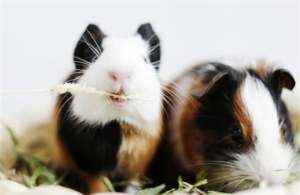
How Big Do Guinea Pigs Get?
Adult guinea pigs are 25–38 cm long and weigh 500–1000 g, males slightly larger. Size is shaped by environment, diet, and genetics. With good care, lifespan averages 4–8 years and can exceed 10.
What Is a Dog Urinary Tract Infection?
Dog urinary tract infections are usually caused by bacteria, urine retention, or low immunity, with signs like difficult, frequent, or urgent urination, sometimes blood or incontinence. Diagnosis is by urinalysis; treatment is antibiotics plus plenty of water. Keep the genital area clean and avoid prolonged holding of urine.

Why Do Cats Develop Urinary Tract Diseases?
Feline urinary tract disease includes infections, stones, and kidney or bladder inflammation, usually showing as frequent, urgent, bloody, or blocked urination with pain. Ensure a balanced diet, plenty of water, regular checkups, and a clean environment to prevent it.
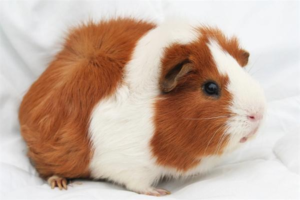
Eight Mistakes New Guinea Pig Owners Make
New guinea pig owners often err: wrong cage, random feeding, poor hygiene, too little space, skipping health checks, no socialization, ignoring natural behavior, and overcrowding. Understand their habits and give a clean, roomy, loving home.
Why Are Cats Prone to Gastritis?
Gastritis in cats can be triggered by spoiled or hard-to-digest food, overeating, drug errors, bacterial infection, foreign bodies, or stress. Feed high-quality, balanced food in sensible amounts and keep the environment and bowls clean to prevent it.
Common Postpartum Diseases in Mother Cats and Their Prevention
After giving birth, mother cats are prone to several conditions — pyometra, poor milk let-down, mastitis, and postpartum depression. Most stem from infection or hormonal changes in the 2–3 weeks after delivery. Good hygiene, balanced nutrition, and a calm environment are the cornerstones of prevention.