Search Results
2849 results for “balance”
My cat has weak hind legs but is otherwise normal, meows more, eats less—what could it be?
Weak hind legs have several common causes: leg injury or muscle strain; hind-leg fracture or arthritis; neuritis (supplement vitamin B1 twice daily); calcium deficiency from unbalanced diet; thrombosis from heart disease with cool paw pads; and dry FIP causing paralysis. If weakness comes with pain or screaming, see a vet promptly for diagnosis.

Chinchilla Heatstroke: Symptoms and Emergency Care
Chinchilla heatstroke happens when heat and humidity stop the body from shedding heat, and severe cases are fatal fast. Watch for lethargy, unsteady standing, or coma; for mild-to-moderate cases move the pet to a cool place, apply cooling balm, and give a heat-relief fluid, while severe cases need glucose and a vet.

Can Dogs Eat Chicken Liver? Benefits and How to Feed It Safely
Dogs can eat chicken liver in moderation — it is rich in iron and vitamin A, which boost immunity and appetite. Always boil it (never raw), cut or powder it into food, and limit to about one liver once or twice a week to avoid vitamin A toxicity and obesity.

Which Cat Breeds Tend to Live the Longest?
Some cats are naturally long-lived — Chinese Li Hua, Chartreux, Norwegian Forest Cat, American Shorthair, Balinese, and Siamese often reach 15–20 years. Pair good genes with vaccines, deworming, spaying/neutering, grooming, dental care, exercise, checkups, and quality food to extend your cat's life.

What to Do When a Blood Parrot Fish Loses Its Red Color?
A blood parrot cichlid that loses its red color is usually responding to insufficient light, poor water quality, temperature stress, or an unbalanced diet. Restore vivid color by keeping the pH at 6.5–7.0, doing regular water changes, feeding color-enhancing food rich in astaxanthin and carotene, providing 2–3 hours of daily light, and holding the temperature near 28°C with swings under 2°C.
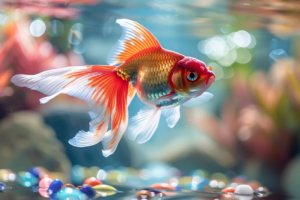
How to Treat Popeye in Blood Parrot Fish?
Popeye (exophthalmia) in blood parrot fish is most often caused by poor water quality and infrequent water changes, though injury or malnutrition can also contribute. Treat by isolating the fish, raising the temperature to 28–30°C, adding aquarium salt, doing daily partial water changes of about a quarter, and applying erythromycin eye ointment — with penicillin, chlortetracycline, or a dilute potassium permanganate rinse for severe cases.

Why Do Cats Get Tear Stains?
Tear stains in cats come from short nasal passages (flat-faced breeds), dietary imbalance caused by oily or salty food, or eye infections. Wipe the eyes daily with a warm cloth, and for stubborn stains use a starch-and-boric-acid paste carefully kept out of the eye.

Why Is My Cat’s Fur Turning Yellow?
Yellow cat fur usually points to parasites, improper bathing, poor nutrition, or tear stains. Treat parasites, switch to a cat-specific shampoo used at the right frequency, improve the diet, and keep the coat groomed to restore healthy, glossy fur.
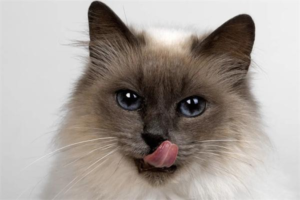
Can a Cat with Only One Testicle Reproduce?
A cat that shows only one testicle has cryptorchidism — a congenital defect in which one or both testicles fail to descend into the scrotum. Such cats face a much higher risk of testicular tumors and should be neutered early. A unilateral cryptorchid can still breed but shouldn't, while a bilateral one is infertile.

Keeping Sea Turtles: Essential Care Requirements
Sea turtles need brackish water at the right salinity, warm temperatures of 25–28°C, a varied diet of seafood and greens, and a spacious tank with a basking area. Avoid hibernation by keeping water warm, feed every 2–3 days, and balance their diet to keep them healthy.