Search Results
2849 results for “balance”

Is a Cat That Won’t Gain Weight Sick?
A cat that stays thin may be sick, but not always. Sometimes it eats a lot yet takes in too little nutrition, for example on long-term low-quality kibble. Here are the common reasons a cat stays slim.

Why Won’t a Dog’s Ears Stand Up?
Whether a dog's ears stand up is mostly genetic; some naturally erect-eared breeds stand by about 3 months. Some never do. So a dog that won't stand usually lacks the gene or isn't old enough. Here are the reasons.
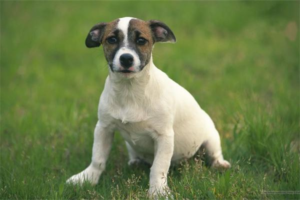
Why Does a Dog Eat Its Own Poop?
Many find it unbelievable, but dogs eat their poop for reasons. Find the cause and correct the habit. Here are the reasons a dog eats its own stool.

French Bulldog Temperament: Is a Frenchie Easy to Keep?
The French Bulldog's cute, comical look has won many fans, but before getting one, people often know little about it. A Frenchie is greedy, lazy, and prone to body odor, and is not among the easier dogs to keep. Here is why.

How to Feed an Exotic Shorthair Cat
Exotic Shorthairs need wide, shallow ceramic bowls and a small-nozzle bottle; small kibble fed on a schedule. Daily eye/nose care, brushing, ear checks, malocclusion watch, stool monitoring, diet variety, low-dust litter, and regular deworming and vaccines keep them healthy.

How to Care for a Dog in Its Growth Stage
A 'growth-stage' dog is one from weaning to adulthood. After weaning it is separated from the mother and moves from milk to puppy kibble. As it grows, its energy needs change, so its diet must change too. Here is how to manage a growing dog.

How to Feed a 3-Month-Old Kitten
A 3-month-old kitten's teeth are not yet fully developed and its stomach is still delicate, yet you also need to help exercise its teeth. Semi-liquid food is therefore the best choice, such as kitten kibble softened with goat's milk or milk pudding. Below we walk you through how to feed a young kitten and what to watch out for.
How to Reduce Shedding in Dogs and Cats
Daily brushing clears loose fur, boosts circulation, and supports skin immunity. Bathe with a pet-specific shampoo at a sensible frequency, feed a proper pet diet instead of table scraps, give regular sunlight for its germ-fighting effect, keep the home calm and comfortable, and deworm on schedule to rule out parasite-driven shedding.
What happens to a dog without a tail?
A tailless dog may be affected physically, since the tail is an important social tool used to express emotions by wagging. Without it, communication with other dogs may suffer. The tail also helps with balance during chasing, jumping, or turning, and helps regulate body temperature in extreme weather.
How long until a dog’s blood parasite disease relapses?
A dog's blood parasite disease can relapse, but the timing is not fixed. To prevent relapse, the owner must thoroughly deworm the dog and fully clean and disinfect the environment. Early treatment lowers the difficulty of a cure; initial signs include depression, appetite loss, vomiting, bloody stool, and fever.