Search Results
214 results for “bacterial enteritis”
My dog started vomiting on the afternoon of July 28; the first two were food, then after water it was clear fluid; by July 30 it stopped vomiting but had a little bloody stool, a drop or two each time; yesterday no blood but loose stool, no appetite, lies down a lot
Vomiting, bloody loose stool, poor appetite, and lethargy are common in digestive disease: parasites, bacterial or viral enteritis; if vaccines are incomplete, suspect parvovirus or coronavirus. See a vet for screening, fecal and blood tests; if something was eaten, rule out foreign-body blockage or perforation by X-ray and ultrasound, then treat with antivirals, antibiotics, hemostatics, anti-emetics, antidiarrheals, and fluids.
Cat Has Diarrhea and Vomiting, Then Bloody Urine After Probiotics
Vomiting and diarrhea can come from diet, bacterial or viral enteritis, or parasites. Blood in urine also suggests urinary or hemolytic problems needing prompt care.
What if my dog’s stool has blood only every few times?
Occasional blood in stool may come from parasites, digestive disease, or infection. Dry hard stool suggests constipation; bones or hard food can scratch the gut; diarrhea with blood needs a vet check.
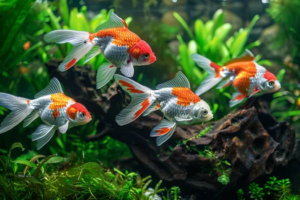
Common Diseases of Blood Parrot Fish and How to Treat Them
White spot, black spot, head-hole disease, and enteritis are all very common in blood parrot fish. To help owners respond better, here are treatments for each of these diseases.
Over two months old, vomiting and bloody stool – what medicine cures it?
Vomiting with bloody stool has many causes; treat by cause. Usually enteritis - bacterial from bad food (anti-inflammatory + anti-diarrhea like cefadroxil, bismuth; light diet) or viral (parvo, corona, with fever, lethargy - screen if unvaccinated). Parasites or bones also trigger; hospital for cause.
What should I do if my kitten won’t eat, is lethargic and vomiting?
A kitten that won't eat, is lethargic and vomits usually has a gut problem — bacterial or viral enteritis, or intestinal parasites. Take it to a vet to confirm the cause. First, if unvaccinated, test for feline distemper with a strip; distemper mimics gastroenteritis with vomiting, diarrhea, lethargy, appetite loss, fever and can be fatal in ~10 days without treatment. If no distemper, it's usually gastroenteritis or parasites — treat the symptom and use probiotics.

Internal Parasites in Turtles: Tapeworms and Roundworms
Tapeworms and roundworms are two of the most common internal parasites in turtles, and telling them apart matters because the treatment differs. Tapeworms steal nutrients in the gut and shed visible segments in the stool; roundworms come in many forms and can block the intestine when severe. Both are diagnosed through fecal exams and treated with specific dewormers plus gut support. This guide outlines the symptoms of each and the practical medication and aftercare steps to clear them.

Enrofloxacin for Pets: What It Treats and Key Safety Notes
Enrofloxacin is a third-generation fluoroquinolone antibiotic made for animals. It works by blocking a bacterial enzyme needed for DNA replication, and it is commonly used for urinary, reproductive, digestive, and skin or soft-tissue infections in dogs and cats. It is prescription-only: typical oral dosing is 5–10 mg/kg per day, and several groups should never receive it. Always follow your veterinarian's plan.

Can You Give a Dog Smectite Powder for Diarrhea?
Smectite is an absorbent anti-diarrheal that soaks up excess water and toxins in the gut, and a vet-formulated version can help a dog with ongoing diarrhea from dietary upset by firming the stool. Use the correct animal product and dose, since wrong amounts risk side effects, and check with a vet first. Other options include bismuth subcarbonate, kaolin, or probiotics. Diarrhea also comes from diet changes, bacterial or viral infection, or parasites, each needing its own approach, so a fecal test and veterinary guidance are best before medicating.

Canine Rotavirus Infection: Symptoms and Treatment
Rotavirus is an intestinal infection that mainly affects young puppies, causing diarrhea while adult dogs often show no symptoms. The virus sheds in feces and spreads by the oral-fecal route, and can pass between species, allowing it to persist in the environment.