Search Results
72 results for “avocado”
45 Essential Tips Every First-Time Dog Owner Should Know
Bringing a dog home is a decade-plus commitment. This guide packs 45 must-know basics for new owners — from pre-arrival prep, feeding, and vaccines to grooming, deworming, and behavior training — so you can keep your dog healthy and avoid the common mistakes that cause illness, fear, or bad habits.

Bringing Home a 2–6 Month Old Puppy or Kitten: A Complete Care Checklist
A new 2–6 month old puppy or kitten is fragile, and mistakes in the first weeks—too much handling, wrong food, missed vaccines—can cause stress, illness, or worse. Start by letting the pet settle alone for 1–2 hours before gentle interaction; keep the same food it had before (soak kibble if needed) and feed 3–4 small meals a day. Watch the first week closely, since transport can expose them to panleukopenia, cat flu, distemper, or parvovirus on top of stress. The vaccine and deworm timeline matters: deworm first, wait at least 7 days, then vaccinate (dog multivalent from ~45 days, three shots 21 days apart, rabies at 3 months; cat FVRCP from 2 months, three shots 28 days apart, then rabies). Don’t bathe, delay outings until vaccinated, and never feed toxic people foods like grapes, chocolate, coffee, or avocado.

Which Fruits Are Safe and Healthy for Cats?
In moderation, fruits like watermelon, papaya, cantaloupe, apple, kiwi, strawberry, blueberry, and banana can benefit cats by adding vitamins, fiber, and water that aid digestion and help cats who drink little avoid urinary issues. But cats are carnivores whose core nutrition comes from meat protein, so keep fruit minimal to avoid soft stools or diarrhea. Always remove peel and seeds, and never offer toxic fruits such as grapes, raisins, persimmon, lemon, cherry, or avocado.

Foods You Should Never Feed Your Cat
Cat food is the safer choice over table scraps because it is balanced for a cat's needs, while homemade meals are hard to get nutritionally right. Some human foods are downright dangerous for cats. Allium vegetables - onion, scallion, garlic, leek - cause vomiting, diarrhea, anemia, and bloody urine, and the toxins survive cooking; avocado brings similar dangers and can be fatal. Chocolate causes diarrhea and vomiting and, in quantity, sudden death. Raw eggs can trigger diarrhea, skin, and eye problems (cooked is fine); shellfish can cause skin disease; and dog food lacks taurine, so long-term feeding leads to taurine deficiency. Milk and fish are okay in small amounts, but go easy on high-magnesium dried seafood to avoid stones.

Fruits and Vegetables Dogs Should Not Eat
Safe in moderation: apple (no seeds), banana, blueberry, watermelon (seedless). Neutral but unnecessary: cantaloupe, kiwi (peeled), peach/plum/pear (no pits), lychee (no pit) — all sugary. Avoid or dangerous: grapes (acute kidney failure, can kill), macadamia (neuro/muscle, life-threatening), mango, cherry (pit), avocado (persin), pineapple, guava, lemon, star fruit (kidney), sugarcane (chokes). Vegetables: good—carrot, broccoli, bitter melon, pumpkin, sweet potato; always cooked/plain and small.

Foods That Support Your Dog’s Liver
The liver filters toxins, stores nutrients, and makes bile, yet it stays silent until heavily damaged—so daily support matters. Quality protein, cruciferous vegetables, and berries aid detoxification, while milk thistle, dandelion root, and omega-3s protect cells. Just as vital is what to skip: fatty foods, toxic items like chocolate, onion, and grapes, and human medicines that strain or poison the liver. Keep water flowing and weight healthy.

Can cats eat cherries?
No - flesh, skin, and pit all contain cyanide; poisoning causes hypoxia and shock. Keep grapes, persimmon, avocado, citrus away too.
What fruits can dogs eat?
Many fruits are safe for dogs - apple, watermelon, strawberry, orange, papaya, blueberry, cherry, pomelo, cantaloupe, durian, banana - but never grapes or avocado, and limit plum, mango, apricot, cherry, and sugarcane. Keep portions small to avoid diarrhea, and skip anything chilled, since cold fruit upsets the gut.
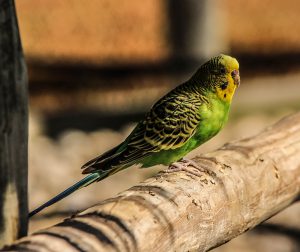
Budgerigar
The budgerigar (Melopsittacus undulatus) is one of the most common parrots worldwide and a favorite first bird for many homes. Though its call is unremarkable, its beautiful, varied plumage and easy care make it beloved; with good keeping it can live 10 to 20 years.

Can Cats Eat Oranges or Tangerines?
Most cats dislike the acidic smell of citrus and will not eat it voluntarily. Larger amounts of oranges or tangerines can upset a cat's stomach and, in severe cases, be dangerous. Grapes and several other fruits are genuinely toxic and should never be offered.