Search Results
882 results for “attention”

Why Dogs Chew Slippers and How to Stop It
Dogs chew slippers for clear reasons: teething, attraction to your scent, curiosity, or a mineral deficiency (pica). Match the fix to the cause - provide chew toys, spend more time with your dog, secure forbidden items, and correct the diet.

How to Avoid Conflict with Your Cat
Cats show clear warning signs before attacking—puffed fur, thrashing tail, airplane ears, hissing, and wide eyes. Give them space: avoid eye contact, back away, and don't punish. Rule out pain or illness with a vet check if aggression appears suddenly, and use food and calm handling to rebuild trust.

Why Dogs Bark Every Morning
Dogs usually bark first thing in the morning because they are hungry, thirsty, or need to relieve themselves after a night's wait. Establishing a fixed feeding and walking routine, plus teaching a puppy to use a designated potty area, prevents this from becoming a habit. Attention-seeking barking should be ignored until the dog settles.

How Soon Can a Dog Be Bathed After Giving Birth?
A mother dog should not be bathed until at least one month after delivery, because an open cervix lets bacteria enter the uterus and cause infection. After a month, clean the soiled areas carefully and dry the coat thoroughly, while supporting her with good nutrition, a calm environment, and warmth.

How Long Can a Parrot Survive Crop Stasis, and How Is It Treated?
Crop stasis (also called crop impaction) in parrots is often caused by a blockage below the crop or by slow digestion, and if left untreated a parrot—especially a chick—usually survives no more than about three days. Prompt care includes withholding food and water, giving probiotics, and, for severe cases, clearing the crop with a syringe and tube or seeking veterinary treatment.

Dragon Li
Dragon Li (details)

Cymric
The Cymric, English name Cymric, is also called the Longhaired Manx or Longhaired Isle of Man cat. From its alias we know it is a longhaired cat; though long-haired, it's not hard to groom. Its most striking feature is having no tail, drawing immediate attention.

Himalayan、Colourpoint Persians
The Persian is a widely known and popular breed; from its early crossbreeding emerged the Himalayan cat. The Persian's early evolution likely occurred on the cold Persian Plateau (today's Iran and Iraq). When Phoenicians and Romans brought these silky-longhaired cats to Europe, Europeans fell for them. Over the years, the Persian's long coat was deliberately retained and emphasized in breeding.
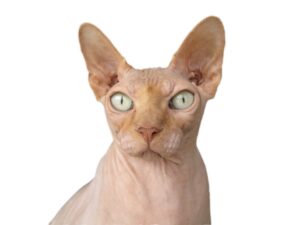
Sphynx
Sphynx (details)

Oriental Shorthair
The Oriental Shorthair is a distinct breed, unexpectedly produced by breeders while developing another cat. They wanted a pure-white Siamese, so crossed Siamese with pure-white cats, producing today's Oriental. Though born in 1962, it was recognized as a new breed in 1972. Its appearance is close to the Siamese but differs greatly in coat color.