Search Results
126 results for “attention seeking”

Why Does Your Cat Always Steal Your Seat When You Get Up?
Cats claim your warm, scent-marked spot for comforting reasons: your lingering smell and pheromones soothe them, the residual warmth is inviting, they're marking territory, or they're fishing for attention. It's less annoyance than affection, a sign of a close bond. If you'd rather they didn't, you can gently redirect the behavior.

How to Stop Your Cat from Keeping You Up at Night
Cats are nocturnal, so they're active at night and rest by day. Play with your cat more in the daytime and offer a scratching post, cat tree, and toys to burn energy. Feed a small meal before bed so hunger doesn't wake it, and make a quiet, cozy, private sleeping spot with your scent. Keep it away from light and noise, and avoid rough play right before sleep so the cat stays calm.
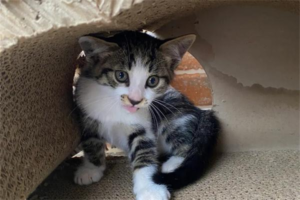
What Does It Mean When a Stray Cat Rubs Against You?
A stray cat rubbing on you usually signals affection and trust — but it may also be seeking food, help, a home, or even 'claiming' you. Strays lack steady food, so they approach friendly people for a meal. Some were once pets and still hope to be adopted. Stay cautious: keep distance to avoid bites, watch for illness, and if you take one in, get a vet check, vaccines, and deworming.
My Cat Keeps Biting My Hands — Stop Using Force to Correct It
The moment a cat goes to bite your hand, pull back and stop all interaction, then give it 10–15 minutes alone to calm down. If it has already latched on, hold still and make a sharp 'hiss' (a cat-to-cat warning) until it lets go, then leave. Never use your hands as toys — switch to a long wand teaser — and for teething kittens, swap some wet food for dry kibble plus dental chews.

How to Stop a Puppy from Barking: 6 Useful Tips
A puppy barks for a reason — separation anxiety, excess energy, fear, excitement, attention-seeking, or discomfort — so the first step is to find the cause. Once you know why, you can act on it: tire the dog out with walks and play, ignore demand-barking until it quiets, build a safe den for insecure pups, and train alone-time for separation anxiety.

When Do Dogs Get Jealous?
Dogs get jealous most when they feel ignored or see you being affectionate with another pet or person — showing unease, barking, or pushing in. It's a protective instinct and a sign of social anxiety. Stay calm, give extra reassurance, and gradually introduce new companions; if jealousy turns aggressive, seek a professional.

How to Tell If a Stray Cat Wants an Owner
To judge whether a stray cat wants a home, watch its behavior: a cat that approaches you, rolls over, shows its belly, or eats eagerly from your hand likely wants a bond; one that flees or refuses food is wary and harder to tame. Win trust with regular feeding, a calm voice, and patience.

Why Do Cats Imitate Their Owners’ Behavior?
Cats may imitate their owners to fit into the home, satisfy curiosity, play and bond, show affection, or seek attention. This mirroring is a normal sign of learning and attachment, and understanding it helps owners respond with patient, better care.

Why Do Cats Hug Your Legs?
When a cat wraps itself around your leg it can signal different things: security, affection, joy, a request to play, a plea for protection, gratitude, or even illness. Read the context and your cat's overall condition: an energetic, bright cat is simply happy, while one that seems unwell may be asking for help.

Why Do Cats Roll on the Floor?
A cat rolling on the ground can mean play, happiness, self-grooming, a bid for attention, stress relief, or itchy skin from parasites. Context matters: if the rolling is paired with scratching or skin irritation, check for fleas and treat promptly; if it is purely attention-seeking, more interaction solves it.