Search Results
68 results for “arthritis”
What to Do When Your Golden Retriever Has Arthritis
In damp or cold weather, a Golden Retriever with arthritis may whine when joints ache, shy away if the sore spot is touched, and lick or chew at the painful joint. Arthritis is common in large breeds like Goldens, but it can be managed. Weight control, gentle movement, and the right joint support make daily life easier.
Why a Dog That Stops Moving in Winter May Have Arthritis
As the deep cold of winter sets in, some owners notice their dog no longer wants to go out or play, blaming the weather, but the real cause may be osteoarthritis. OA affects 30 to 50 percent of dogs and cats and is not only age-related; even young dogs can develop it, with breed, age, sex, weight, and genetics all playing a role. It is a whole-joint disease where cartilage breakdown outpaces repair. Signs include less activity, stiffness after rest, painful swollen joints, and irritability. Management combines weight control, sensible exercise, NSAIDs for pain, and therapy with joint supplements.
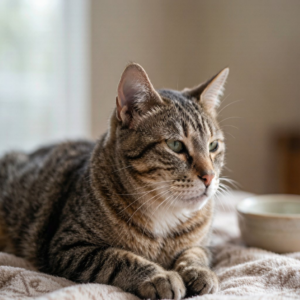
Why Does My Cat Always Lie Down? Understanding Feline Arthritis
If your cat spends most of its time lying down, walks with a limp, or refuses to be touched on the hind legs, it may be suffering from arthritis—a condition that affects up to 90% of cats as they age. Arthritis is the inflammation and degeneration of joint cartilage, most often secondary (degenerative) arthritis, which worsens as cats grow older. Cats are masters at hiding pain, so signs like reluctance to jump, reduced grooming, increased sleeping, and irritability can easily go unnoticed. Causes include aging, genetics, obesity, injury, and acromegaly. Treatment combines veterinarian-supervised medication (NSAIDs such as meloxicam), weight management with omega-3 and glucosamine supplements, and environmental adjustments like steps and soft bedding. Prevention starts with a healthy diet and keeping your cat lean.

Degenerative Arthritis in Dogs and Cats: Symptoms, Treatment, and Prevention
Degenerative arthritis (osteoarthritis) is non-suppurative wear of joint cartilage from years of uneven load, more common in older pets. It causes pain, stiffness, limited motion, and lameness that worsens with activity and cold weather. Weight control, controlled exercise, pain relief, and surgery in severe cases manage it.

Suppurative Arthritis in Dogs and Cats: Symptoms, Treatment, and Prevention
Suppurative arthritis is infection of a joint by pyogenic bacteria, either carried in the blood or introduced through a penetrating wound, causing hot, painful swelling, fever, and lameness. Prompt drainage and antibiotic therapy are essential to save the joint and prevent spread; untreated it can rupture through the skin.

Rheumatoid Arthritis in Dogs and Cats: Symptoms, Treatment, and Prevention
Rheumatoid arthritis is a chronic, immune-mediated, erosive polyarthritis, often in small and toy breeds between 8 months and 9 years. It causes recurring lameness, stiff swollen joints, fever, and poor appetite, and can end in joint deformity. Treatment relieves pain, controls inflammation, and protects joint tissue.

Degenerative Joint Disease (Arthritis) in Dogs: Diagnosis and Treatment
Degenerative joint disease wears away the smooth cartilage that lets joints move without pain. It can last a dog's lifetime, so early recognition, accurate diagnosis, and weight and medication management matter most.

A Detailed Cat Weight-Loss Plan
A healthy house cat weighs about 3.5–5.5 kg; over 6 kg (except large breeds like Maine Coon or Ragdoll) means it's overweight and needs to slim down. Switch to a high-protein, low-fat, low-carb food and cut the daily total by 20%, repeating if needed once weight stabilizes. Boost activity with wand, laser, and feather toys to burn fat — but never slash food sharply, since long fasting can harm the gut or trigger fatty liver.

How to Improve Your Cat’s Happiness
A cat's happiness rests on four pillars: balanced nutrition, a safe and stimulating home, regular interaction, and consistent preventative healthcare. Feeding scheduled meals, providing hiding spots and toys, playing 10 to 15 minutes a day, and keeping up with vaccines, deworming, and dental care together build a contented, healthy cat.

8 Signs Your Cat Is Happy and Well Cared For
A well-cared-for cat shows it in clear ways: wild, relaxed sleep poses (even belly-up) in any corner of the home; actively rubbing against your legs and curling up in your lap; daily playfulness and curiosity about new toys; a tail held high like a flag while walking; steady appetite without pickiness and regular drinking; a coat that is soft, glossy, and free of grease or dandruff; a consistent daily routine; and a stable weight in the healthy range. You don't need perfection — meeting two or three of these already means your care is on point. Beyond that, keep up vaccines, deworming, and a clean environment.