Search Results
19 results for “arowana breeding”
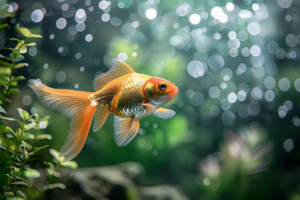
The Arowana Breeding Process
Arowana breeding requires specific water temperature and quality, and proceeds in three steps: pairing, egg-carrying, and spawning. This article walks through each stage and the care needed during the breeding period.
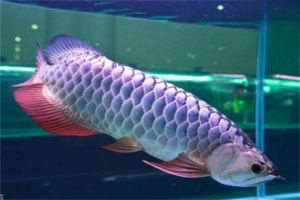
Silver Arowana: Morphology and Breeding Methods
The silver arowana is all silver, peaceful and easy to keep, but grows fast and can exceed 1 m, so it needs a spacious tank. It is a mouth-brooder: choose one healthy male (6–8 yrs, 50–60 cm) and one female (7–9 yrs, 40–50 cm), keep the tank absolutely quiet during spawning, and the male will carry 40–50 fertilized eggs in his mouth for about two months.

Golden Arowana: Morphology and Breeding Methods
The golden arowana comes mainly as the crossback and the red-tailed golden, which look alike when young but differ as they grow — the crossback's gold crosses the fifth scale row and shines brighter. Choose healthy, pure-line broodstock (one male and one female) and keep the tank completely quiet during spawning, since disturbance makes the male withhold sperm and the fish may eat the eggs.
Why Do Arowana and Tiger Fish Fight?
Arowana and tiger fish usually fight over territory or food, or during breeding season. Give them enough space and ample food, and separate or divider them if fighting is frequent. After injury, separate at once and treat wounds with potassium permanganate or erythromycin, keeping water stable at 28-30C.

What Causes an Arowana to Stop Eating?
Many things cause refusal: bad or old water, indigestion, big environment changes, illness—and some arowana stop seasonally. Find the real cause for your fish. This article lists the common reasons.
What Are Arowana Whiskers For?
An arowana's whiskers are sensory organs that detect water flow, temperature, water quality, danger, and food traits. They help the fish locate food accurately and even find a mate.
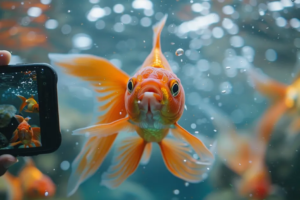
How Arowana Coloration Works
An arowana's vivid color comes from pigment cells in its skin, shaped by light, environment, mood, and hormones. Early coloration is driven mainly by the environment—especially lighting that reaches into the water—while hormones matter more as the fish matures and during breeding. Use white light when young and add red light later to deepen and widen color; golden arowana mainly need white light plus a warm-yellow light once mature.

Why Do Arowana Refuse to Eat?
Arowana may refuse food for many reasons—poor water quality, fright, temperature swings, environmental change, illness, improper feeding, or internal parasites. If the fish is otherwise active, refusal alone isn't alarming. Key fixes: stabilize pH (6–7.5), avoid sudden changes, and treat any underlying disease.
At what size can a silver arowana breed?
A silver arowana can breed around age 3, or when 50 to 60 cm long. Pairing is either artificial, placing a male and female together to pair after maturity, or natural, letting them pair freely.

Arowana Lifespan and Why They Die Early
Wild arowana can live 30 years or more, but captive fish often die young at just 6 to 7 years because of weak breeding, over-emphasis on looks, poor water quality, and stress. Stable, well-filtered, slightly acidic water and a natural approach help them live longer.