Search Results
70 results for “antiviral therapy”
Dog ate two meals at once on Oct 29, started vomiting and passing blood on Oct 30, got two antiviral shots. Now more energetic but still passing blood and vomiting white mucus.
Blood in the stool and white mucus in the vomit indicate intestinal injury from parvovirus, coronavirus, parasites, or acute hemorrhagic gastroenteritis. Get the dog to a vet for diagnosis; hospitalization is best for parvo or corona.
What are the treatment methods for feline rhinotracheitis (cat flu)?
Treatment for cat flu includes antiviral therapy, controlling secondary infections, symptomatic care, and boosting resistance. Antivirals such as interferon suppress viral replication, and supportive nutrition strengthens immunity.
What eye drops work best for feline rhinotracheitis (cat flu)?
Treatment of cat flu begins with antiviral therapy, including feline interferon injections and antibiotics. For cats showing eye symptoms, erythromycin eye ointment, ofloxacin eye drops, or chloramphenicol eye drops can help relieve discomfort.

How Long Can a Cat with Jaundice Survive
Feline jaundice (hyperbilirubinemia) signals a serious threat to a cat's life and needs prompt treatment. Survival depends on the cause — fatty-liver jaundice can be reversed, but FIP-related jaundice is often fatal without about two months of antiviral therapy. Treatment uses bile-acid liver supplements plus veterinary diagnosis, and post-hepatic cases need surgery to clear the bile duct.

Understanding Viral Cat Colds
Most owners know the ordinary cat cold, but fewer know it can be viral. There are three main viral causes—feline herpesvirus, calicivirus, and chlamydia—and they are the most common triggers. Because symptoms overlap (fever, sneezing, runny nose, watery and inflamed eyes), tell them apart by a clue or two: herpesvirus may bring mouth inflammation; calicivirus often adds joint and mouth inflammation; chlamydia adds swollen lymph nodes. Prevention of herpesvirus is mainly vaccination (not 100% effective). Treat with antiviral therapy plus symptomatic care; bacterial colds from Mycoplasma or Bordetella also occur, so build the cat's general resistance. When unsure, see a vet for a confirmed diagnosis.

Why a Kitten May Have High Internal Inflammation
Inflammation is the body's defensive response to irritation — infection, injury, parasites, or organ disease — and shows as fever, redness, pain, and poor appetite. Find the underlying cause with veterinary testing, treat it specifically, and rely on regular checkups to catch problems early.

What Is Feline AIDS and Its Symptoms
A cat with feline AIDS is also nicknamed a 'prodigal cat,' and for good reason. This article explains what feline AIDS is and the symptoms a cat shows if infected.
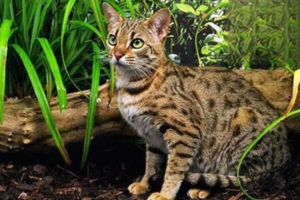
Can Feline AIDS Be Cured?
Feline AIDS (FIV) attacks a cat's immune system via bite saliva and is not transmissible to people. There's no cure, but with good care many cats live a normal lifespan. Prevention means avoiding fights and isolating infected cats.

Canine Adenovirus Type II Infection
Canine adenovirus type II infection causes infectious laryngotracheitis and pneumonia in dogs, with persistent high fever, cough, serous or mucoid rhinitis, tonsillitis, laryngotracheitis and pulmonary signs.

What Is Canine Parvovirus Infection
Canine parvovirus infection is a viral infectious disease caused by canine parvovirus, characterized by hemorrhagic enteritis or non-suppurative myocarditis. It spreads quickly and has a high mortality rate.