Search Results
233 results for “antibody”

Feline Coccidioidomycosis
Feline coccidioidomycosis is a fungal infection in cats characterized by cough and difficulty breathing. Cats are highly susceptible, mainly infected by inhaling airborne spores; the lungs are most severely affected, though other organs, especially bone, can be involved.

How to Treat Infectious Canine Hepatitis
There is no specific cure for infectious canine hepatitis - treatment is symptomatic, based on signs and experience. Best of all is prevention: vaccines are over 90% effective. Here is how it is treated.

Feline Primary Hepatic Jaundice
Feline primary hepatic jaundice is directly caused by too much bilirubin in the blood, which happens when the liver's metabolism or excretion goes wrong. Many things can disrupt liver metabolism - here is the breakdown.

How to Diagnose and Treat Infectious Canine Hepatitis
Infectious canine hepatitis is an acute septicemic disease that often causes acute necrotizing hepatitis. Its signs resemble distemper and it easily co-infects, making cases worse - and puppies under one year are most at risk. Here is how it is diagnosed and treated.
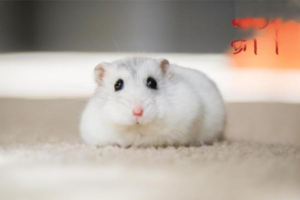
What Do Probiotics Do for Hamsters?
Probiotics help hamsters by consuming gut oxygen to favor good bacteria, suppressing E. coli and Salmonella, boosting immunity, improving absorption of iron, zinc, calcium and vitamins for better coat and bones, and rebuilding gut flora. Use only small-pet formulas, keep them refrigerated, and mix with water below 40°C.

What to Do for a Dog with Anemia? What Medicine?
Dog anemia has four types (hemorrhagic, hemolytic, nutritional, aplastic) from causes like trauma, toxins, parasites, and kidney disease. Mild cases need rest and iron-rich nutrition, severe cases need blood-building supplements and, for gut inflammation, antibiotics; see a vet if diet care does not help.

What to Do When Dog Interdigital Dermatitis Won’t Heal
Interdigital dermatitis that will not heal is often from the wrong medicine or poor care during treatment, so the medicine does not work and the condition worsens. Here is the correct approach.

What to Do When Dog Pyoderma Is Severe, and Which Medicines Help
What to do when dog pyoderma is severe? Pyoderma starts mild, but without prompt, correct treatment it can spread into widespread dermatitis with discharge, pus, and pustules. Here is how to handle severe dog pyoderma and which medicines to use.

Symptoms and At-Home Medication Treatment for Canine Distemper and Feline Panleukopenia
Distemper disease is a highly contagious viral disease with a high fatality rate, usually showing symptoms such as high fever, vomiting, diarrhea, loss of appetite, lethargy, and increased eye and nasal discharge. Common pets such as dogs and cats may be infected with the distemper virus, and the most effective way to prevent viral infection is vaccination. Today we explain knowledge about distemper disease around canine distemper and feline panleukopenia.

Common Causes, Medications, and Prevention of Sneezing and Runny Nose in Dogs and Cats
Sneezing and runny nose in pets are symptoms of disease, usually caused by respiratory infections. Sneezing and a runny nose are physiological responses of the nasal mucosa to various irritants; the more common causes are colds and rhinitis. Next, we introduce the causes of sneezing and runny nose in dogs and cats and the medication treatment for the corresponding diseases.