Search Results
1764 results for “antibiotic”

Why Does a Cat Shake Its Head Repeatedly?
An occasional head shake is normal, but frequent shaking usually means a pathological itch — most often a foreign object, ear mites, or otitis in the canal. The clues differ: ear mites leave dry, coffee-ground, foul-smelling black-brown debris, while inner-ear infection leaves wet, oily discharge; both need a vet's confirmation, then cleaners plus mite medication or antibiotics.
What Is Feline Mastitis and What Are Its Symptoms?
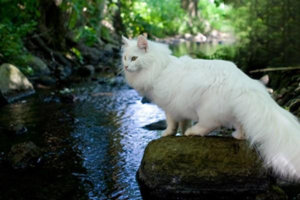
Feline mastitis is inflammation of the mammary glands caused by bacteria such as Staphylococcus, Streptococcus, or E. coli, marked by one or more glands that are red, swollen, hot, and painful, with cloudy or bloody milk and a queen that refuses to nurse. Treatment stops nursing, cleans and drains the gland, and infuses antibiotics (ampicillin or cephalexin) into the teat canal, with systemic antibiotics for severe cases.

How to Treat Feline Rhinitis
Feline rhinitis follows injury or infection of the nasal lining and often turns bacterial; acute cases sneeze, rub the nose, and stream serous-to-mucoid (sometimes bloody) discharge with noisy breathing, while chronic cases drip on and crust, with a foul smell, and can lead to sinusitis or nasal tumors. Treatment flushes the nose, applies local antibiotics or decongestant drops, and tackles the underlying infection — bacterial, fungal, or allergic.

Why Is My Cat Having Diarrhea Again?
Diarrhea is loose or unformed stool from food moving too fast through the gut to absorb water and nutrients, and it can be acute or chronic. Causes range from infections, parasites, and diet changes to stress and underlying gut disease; at home, keep water available, feed small frequent easily digested meals, and use smectite or pet probiotics for mild cases — but see a vet for blood, fever, lethargy, or ongoing diarrhea in an unvaccinated cat.
Why Cats Foam at the Mouth and How to Treat It
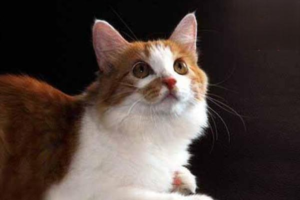
Foaming at the mouth in cats often comes from excess stomach acid, unsuitable or excessive food, poisoning (lilies, acetaminophen), or stress. Treatment depends on the cause — fasting and antibiotics for gastritis, smaller fiber-rich meals for food issues, immediate vet care for poisoning, and a gentle transition for stress.

Why Do Cats Get Gastroenteritis?
Cat gastroenteritis is the most common pet illness, usually from spoiled food, a kitten's shallow stomach overloaded with food, lactose intolerance, sudden weather shifts, or poisoning. Treat with a short fast to heal the gut lining plus a cat-specific antibiotic, and head to a vet if there's no improvement — never use human stomach medicine.

Why Does My Dog Have Lots of Eye Discharge and Low Energy?
Eye discharge plus lethargy in a dog usually points past ordinary eye irritation to either a gastroenteritis-type cold or canine distemper. The cold brings fever, runny nose, and possible vomiting or diarrhea; distemper starts like a cold then shows biphasic fever and thick eye discharge. Get a vet diagnosis before treating, and don't self-prescribe antibiotics.

What Causes Skin Abscesses in Hamsters
Hamster skin abscesses are usually bacterial — from fight wounds, foreign-object punctures, spoiled or sharp food in the cheek pouches, flea/mite scratching, or a blocked scent gland in males. Treatment is draining plus oral antibiotics at a vet (never neomycin or antibiotic ointments — they can kill); clean the pouch with saline for mild pouch cases. Act before the abscess ruptures, since worsening can be fatal.

What to Do When Your Rabbit Has an Abscess
A rabbit abscess usually means Staphylococcus and can turn serious, even fatal, if the skin damage is wide. For a small one, wait until it ripens, then lance it (sterilized blade, ~1 cm cut), squeeze out all pus, flush with iodine or disinfectant, and follow with one antibiotic shot. The real fix is prevention: a subcutaneous Staph vaccine every 4–6 months, which also guards against mastitis and septicemia.
How to Bring a Non-Cycling Doe Rabbit Back Into Heat
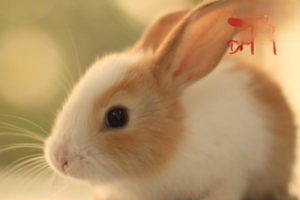
A doe that won't cycle has physiological, pathological, or management causes. Congenital genital defects mean culling; nutritional extremes need feed correction; ovarian cysts take progesterone (5–7 days), persistent corpora lutea take cloprostenol, and infections get postpartum antibiotics. To prompt heat, improve ventilation and buck contact, group and stimulate with a buck, use cloprostenol with pregnant-mare serum, or short-term flushing — and remember heat stress is a common trigger.