Search Results
163 results for “antibiotic bath”

Is Terbinafine Spray Effective for Cat Ringworm?
Terbinafine spray is a first-line antifungal and does help mild, surface ringworm—but it can't reach deep follicles, so it won't cure every case and shouldn't be used long-term. For larger or deep infections, combine it with medicated baths and oral antifungals under veterinary guidance. Clip, disinfect, and protect the skin, and always confirm the diagnosis first.

How to Prevent Folliculitis in Dogs
Folliculitis—red, flaky, itchy skin with hair loss—is common in long, short, and hairless dogs alike, but you can lower the risk. Keep the skin clean with dog-specific, lukewarm baths at the right frequency (over-bathing damages the barrier); check the coat and skin weekly for redness, sores, or bald patches; feed quality, balanced food and skip table scraps that trigger obesity and hormone issues; give outdoor exercise to boost circulation and immunity; avoid over-brushing or over-clipping that breaks the skin barrier; and control external parasites with regular deworming. For a dog already affected, keep its space dry and clean, use gentle products, and see a vet promptly for severe signs like pus or intense itching—treatment is usually antibiotics, anti-inflammatories, or topical antiseptics.

Symptoms and Treatment of One-Eye Cold in Parrots
One-eye cold is a common contagious eye condition in parrots, marked by swollen conjunctiva, watery discharge, lethargy, reduced appetite, and weakness, with respiratory signs in severe cases. If you notice these symptoms, take them seriously and treat promptly. Care begins with isolating the sick bird and disinfecting the cage, then gently cleaning the eye and applying bird-specific drops such as bird-specific eye drops or human erythromycin ointment—treating both eyes even if only one is infected. Serious cases need antibiotics under a vet's guidance. Daily hygiene, clean food and water, and regular check-ups are the best prevention.

How to Treat a Cat’s Infected, Pus-Filled Wound
A cat wound that is oozing pus needs prompt care to stop the infection from spreading. Clean it with saline, apply antiseptic such as iodine or hydrogen peroxide, and use an antibiotic spray or ointment; severe cases need oral or injected antibiotics from a veterinarian. Keep the wound dry, fit an Elizabethan collar to stop licking, and add protein-rich food. If it worsens or a fever appears, seek veterinary treatment such as debridement and sutures.

How to Prevent Dog Asthma Attacks
Dog asthma cannot be cured, only controlled through careful care, which usually keeps attacks at bay. To lower the chance of an attack, keep the environment clean and disinfected, groom the dog regularly, ventilate the home and avoid strong smells, and prevent intense exercise or over-excitement. If an attack happens, consult a veterinarian before giving any medication; never dose blindly. With good management, asthma can be controlled effectively.
Why Did My Blood Parrot Cichlid’s Tail Turn Black?
Blood parrot cichlids are popular aquarium fish, and owners are often alarmed when a fish's tail slowly turns black. The cause is usually practical rather than mysterious—water temperature swings, poor water quality, a fright, or a bacterial black-spot disease. Most cases trace back to husbandry, so the fix is often a better water routine. This guide explains the common reasons and the matching treatment to bring the color back.

What Are the Symptoms of a Dog Cold?
Dog cold symptoms mirror those of cats and people—mostly upper-respiratory: sneezing, runny nose, cough, and fever. A bacterial cold usually comes from getting chilled (sudden temperature drops, high humidity, or a wet coat after a bath) and is often mild, sometimes needing only simple care; with Bordetella infection a dog will cough. A viral cold demands attention—the top suspect is distemper, whose signs span the respiratory, digestive (vomiting, diarrhea), nervous (loss of balance, head tilt, tremors, seizures), and skin (pustular rash, thickened nose/paw pads) systems. Know the difference so you can act fast.
My dog disappeared for a day and came back with these bumps — does anyone know what they are?
Small, round pustules on a dog's belly are usually superficial pyoderma caused by a bacterial infection, often triggered by a damp environment or lying on wet flooring. Treatment involves cleaning the area, draining the pustules, disinfecting with diluted hydrogen peroxide or povidone-iodine, and applying a vet-recommended antibacterial spray, while keeping the dog's surroundings clean and dry.
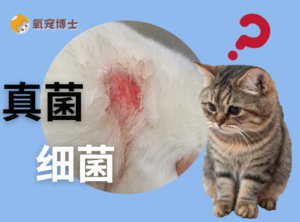
Cat Skin Redness and Hair Loss: Fungal or Bacterial?
A cat's skin normally carries small amounts of bacteria and fungi that only cause trouble when the skin barrier breaks. Fungal infection, usually Microsporum canis, shows as ring-shaped hair loss with a red raised edge and dry scales, and spreads slowly. Bacterial infection is usually secondary—after a scratch, bite, mite, or allergy—and appears as pustules and fast-growing ulcers. Telling them apart guides the right treatment.

Pritchard’s Turtle
Pritchard's turtle (Mauremys pritchardi) is a Geoemydidae turtle found in China and Japan. Its looks blend the Chinese pond turtle and the yellow pond turtle, and some researchers believe it is a natural hybrid — though that is not officially recognised.