Search Results
121 results for “angry cat”

How to Stop Resource Guarding at Meals in Cats
Food guarding is a natural feline instinct, but a consistent feeding schedule, more play, environmental enrichment, and building trust can reduce it. Stay patient and never punish your cat during the process.

Can Cats Understand When You Scold Them?
Cats can't parse complex language, but they read your tone and emotion and will sense anger in a scold—often reacting with fear rather than understanding. Punishment rarely changes behavior and can damage your bond; positive, reward-based guidance works far better.
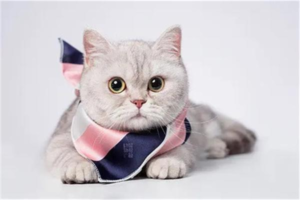
Why Does a Cat Arch Its Back When You Pet It?
A cat arches its back when petted for many reasons — to lean into pleasurable contact, to stretch, out of anger or fear (puffing up to look bigger), to coil before a pounce, or simply to invite play. The meaning comes from the situation and the cat's mood; brief arching is normal, but arching that lasts a long time can signal pain or illness.

Is the Shandong Lion Cat Easy to Keep?
The Shandong Lion Cat (Linqing) is a native Chinese breed with long fur and often odd-colored eyes. It's quiet, affectionate, and easygoing but sheds heavily and needs daily brushing plus hairball paste; odd-eyed white cats often have hearing loss on the blue side. Hardy, long-lived (12–15 years), and a great mouser, it suits experienced owners with a calm, roomy home.
Does My Cat Know It Was Neutered?
A cat has no concept of 'neutering' — it wakes from anesthesia feeling only incision pain and antiseptic smell, not a loss of fertility. Post-op quietness or poor appetite is normal recovery (pain, lingering sedation, the cone), and any 'revenge' peeing fades with care. Spay/neuter before sexual maturity (~6–8 months) and watch the incision for infection.
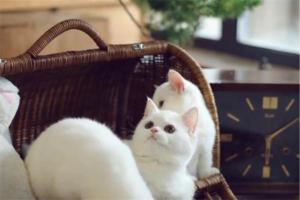
What Behaviors Show a Cat Is Possessive?
A possessive cat claims you by rubbing its scent on you, sitting on your feet, licking you, deliberately soiling spots you use, and following you to bed. It's a sign of affection, but if it turns extreme, train it and give daily attention so it doesn't develop bad habits.
Are You a Qualified Cat Owner? Take the Quiz
Wondering if you're a qualified cat owner? Try this 20-question basics quiz — covering water, safe plants, slow blinks, scratching furniture, normal temperature, spay timing, and deworming frequency — then check your score against the tiers from 'novice' to 'top-tier owner.'
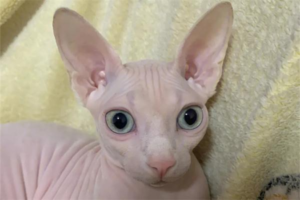
Which Cat Breeds Rarely Bite? (And Why Personality Still Wins)
If you worry about being bitten, choose a naturally gentle breed: Ragdoll, British Shorthair, Maine Coon, Birman, exotic shorthair (Exotic), Siamese, Sphynx, and orange tabbies are widely seen as low-aggression, friendly, and people-oriented, good for families with kids. Ragdolls go limp and forgiving, British Shorthairs warn with a soft paw, Maine Coons show feeling by walking away, and orange tabbies are affectionate but prone to weight gain. Yet every cat is an individual, and even these breeds can bite if pushed past their limits. Learn each cat's boundaries, respect its feelings, and avoid over-stimulating it.
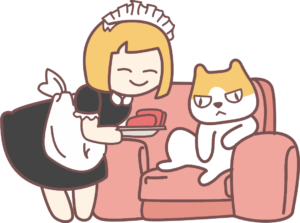
Is Your Cat Hard to Bond With? (Signs and What to Do)
A cat that seems impossible to bond with is rarely born defiant—it usually shows clear behavioral clues and a hidden reason behind them. Such a cat refuses close contact, pretends not to hear its name, guards its food, claims a corner as territory, hides constantly, or even tries to escape. The causes range from a strong independent nature and sex differences to a stray past marked by abuse or the mood swings of an unspayed cat. The fix is patience: give the cat space, build trust through food on a fixed schedule, avoid sudden stimuli, and consider pheromone sprays. Most 'untamable' cats will gradually accept you when treated with respect.

Caring for Your Cat After Spay or Neuter Surgery
Under anesthesia your cat is dazed but inwardly anxious, angry, and fearful, and will rebound once home. Care: stay with it during anesthetic recovery (male cats may not blink—use eye drops); wait at least 6 hours before water and food, then give a quiet, clean space without over-attention; isolate from other cats and keep the E-collar on 7+ days to stop licking; watch for discharge or fever after 2–3 days and see a vet. Post-op prescription cans adds antibiotics and tempts appetite while keeping nutrition balanced (crucial—avoid constipation, especially females). No can? A plain steamed mash of chicken, liver, fish/beef, and egg works; the cat will eat more and may get sleepy and plump, so control portions.