Search Results
231 results for “anemia in cats”
What happens if you don’t deworm a cat?
Without deworming, cats can pick up heavy internal and external parasite loads. Internal worms steal nutrients and damage the gut, causing diarrhea, vomiting, and even anemia, while external parasites cause itching, hair loss, and skin disease.
Can Dogs Eat Onions?
Dogs should never eat onions. Alliums like onions, garlic, and leeks contain sulfur compounds that destroy red blood cells and can cause hemolytic anemia. Affected dogs may become lethargic, vomit, lose their appetite, or pass blood in their urine, and severe cases can be fatal.
When Your Cat Drinks a Lot — A Kidney Warning Sign
Frequent drinking and large urine are often the first sign of falling kidney function in cats, later joined by appetite loss, weight drop, ammonia-smelling breath, and pale gums from anemia. Early detection and vet care can slow this progressive disease and extend life.

How to Manage a Cat’s Frequent Soft Stools
Frequent soft stools usually come from a sudden food change, allergy, bad food, parasites, or gut-flora imbalance. Keep a food diary, switch foods over 7 days, add a cat probiotic, cut environmental stress, and deworm regularly; if it persists with weight loss, a fecal test and prescription diet may be needed.

Is It Normal for a Cat to Sleep All Day?
It's normal for a healthy adult cat to sleep 15–20 hours a day (kittens and seniors even more). Most of that is light dozing — only 20–30% is deep sleep. If your cat wakes cheerful and eats normally, don't worry; but sudden lethargy with appetite loss, weight loss, fast breathing, or hiding needs a vet.
How Combined Spot-On Parasite Treatments Work
Parasite control is now routine for most pet owners, but choosing among crowded products is hard. Combined internal-and-external spot-on treatments have become the top pick because one monthly application covers many parasites. This guide explains why prevention matters, how a combined spot-on works through the ingredient pair imidacloprid plus moxidectin, and how to apply it safely and conveniently. Quality products are gentle, clearly labeled, and free of harsh additives—making professional-level prevention practical for ordinary homes. Always confirm the right product with a veterinarian.
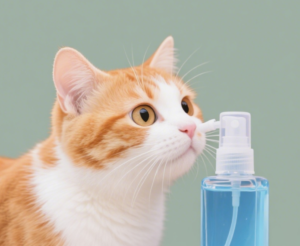
Can Mosquito-Repellent Perfume Poison Your Cat?
That popular mosquito-repellent perfume (the Chinese "flower water") does pose a real risk to cats. Some formulas contain DEET and pyrethroids, both dangerous to cats, and the alcohol, menthol, and camphor in them also irritate. DEET can disturb the central nervous system at high concentration, while pyrethroids are outright toxic because a cat's liver lacks the enzyme to break them down, so toxins build up and can cause organ failure. Cat homes should avoid the product; use screens, nets, electric swatters, or UV traps instead. If a cat shows tremors or vomiting after heavy exposure, never induce vomiting, go to a vet at once.

Understanding Cat Blood Types: A, B, and AB
Cats have three blood types, A, B, and AB, with a dominance order of A over B over AB, and a kitten's type is set by its parents. Type A is by far the most common and varies by breed: Siamese are all type A, Himalayans and Maine Coons are about 90% A, while Turkish Vans can be 60% type B. Blood type matters for safe transfusions and for breeding, because a type B queen nursing type A or AB kittens can trigger fatal neonatal isoerythrolysis. Always blood-type and cross-match cats before transfusion or mating.

Health Checks to Do After Rescuing a Stray Cat
Before a stray cat joins your home, a veterinary check-up protects the cat, any resident pets, and your family. Strays can carry parasites, skin disease, or hidden infections, so a targeted exam is worth the cost. Core tests include a physical exam, infectious-disease screening (panleukopenia, coronavirus, calicivirus, herpesvirus; add FIV and FeLV if you have other cats), a fecal exam for internal parasites, and a blood count to flag anemia, inflammation, or dehydration. Imaging or a Toxoplasma test may be added for specific risks. To keep costs down, ask clinics about rescue discounts, look for packaged wellness plans, and have the vet handle basic grooming during the visit. Always isolate the new cat for 7–14 days, deflea and deworm, then start vaccines once it has settled in.
100 Essential Tips Every New Cat Owner Should Know
Bringing home a first kitten is exciting but daunting, and poor care can hurt both of you. These 100 essentials cover diet (life-stage food, toxic grapes/chocolate/onion/garlic, no bones or raw meat, fresh water), daily care (brushing, nail and ear cleaning, litter hygiene, n+1 boxes), health (vaccines at 8–12 weeks, deworming, normal temperature 38–39.2°C, spay/neuter, no human meds), behavior (slow blinks, tail talk, no punishment), and home safety (screens, hiding wires, toxic plants, no smoke). Read them once and you'll share a calmer, healthier life with your cat.