Search Results
231 results for “anemia in cats”

How to Treat and Prevent Tapeworms in Cats and Dogs
Tapeworms spread mainly through fleas — a cat or dog swallows an infected flea while grooming. Regular external parasite control and a flea-free home are the real keys to keeping them away.

What Is Coccidiosis in Cats and Dogs
Coccidia are single-celled gut parasites that hit young cats and dogs hard and can spread to people as chronic diarrhea. A fecal check confirms infection, and sulfonamide or amprolium treatment needs follow-up tests to prevent relapse.

Do Cats Have Blood Types?
Cats have three blood types — A, B, and AB — defined by proteins on the red cell surface. Knowing a cat's type matters because the wrong transfusion can trigger a fatal reaction, so typing and cross-matching always come first.

What Parasites Live Inside Cats
Cats can harbor several internal parasites, each with its own tell-tale signs. Roundworms, hookworms, filarial worms, and tapeworms differ in appearance and symptoms but all deserve prompt attention. A regular deworming routine is the simplest way to protect your cat's health.

Internal Parasites in Cats
Internal parasites are a common and potentially serious problem in cats, ranging from roundworms and hookworms to tapeworms and filarial worms. Left untreated, heavy infestations can stunt growth, cause anemia, and even prove fatal. Regular deworming is the most reliable way to keep them under control.
Do Cats or Dogs Have More Parasites?
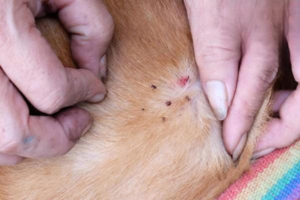
Cats and dogs share most parasites, so neither has 'more'; the load depends on environment and health. Roundworms, hookworms, tapeworms, and others cause real harm, and a regular deworming schedule keeps them down.

Can Cat Hookworms Infect Humans?
Hookworm is a tiny nematode about 1-2 mm long living in the duodenum of the small intestine. It attaches to the intestinal wall with six hook-like teeth and feeds mainly on blood, causing anemia in cats. Hookworm is relatively common in dogs, less in cats.

What to Feed an Anemic Cat to Build Blood
When a cat is anemic, choose suitable cat food and meat, feed blood-building paste, and supplement appropriate nutrition when giving vegetables and fruits.
Why is my cat’s white blood cell count low?
Low white cells need age and symptom analysis. In vaccinated adults it often means weak immunity needing better diet; in unvaccinated cats with vomiting/diarrhea, suspect panleukopenia. Anemia can also lower it.
Cat Food Ingredients to Avoid, No Matter How Cheap
Not all cat food is created equal, and the ingredient list is the single most reliable way to judge quality. Some products hide preservatives, flavor enhancers, and fillers that can harm your cat over time — from potential carcinogens like BHA, BHT, ethoxyquin, and TBHQ to appetite stimulants such as MSG and pyrophosphate. Other risky additives include propylene glycol, nitrites, synthetic vitamin K3, and thickening gums, while artificial colors and sweeteners add sugar and nothing of value. Because cats are obligate carnivores, diets overloaded with corn, wheat, or soy not only lack nutrition but may trigger allergies and even aflatoxin exposure. Learning to read the label helps you protect your cat from low-grade food, no matter how attractive the price.