Search Results
80 results for “anal gland infection”

Perianal Adenomas in Dogs
Perianal adenomas are modified sebaceous tumors that occur almost only in dogs, more often around the anus of male dogs. They are usually multiple, raised, and benign, though females can show malignant forms. Surgery or freezing removes them, and castration helps.

Canine and Feline External Ear Canal Tumors
Tumors of the external ear canal arise from the canal's lining or glands and can congest and block the passage, causing discomfort and discharge. Surgical removal of the affected canal usually gives a good outcome.

Anal Sacculitis in Dogs and Cats
Anal sacculitis is inflammation of the small anal glands when their secretions build up and irritate the lining, most often in small-breed dogs and cats. Signs include scooting, licking at the rear, and a foul odor; treatment is expression and antibiotics, with surgery for rupture or fistulas.

What Are a Dog’s Anal Glands?
A dog's anal glands are two small scent pockets near the anus that mark territory and empty under stress. If they clog, a dog scoots and risks infection, so diet, fiber, and timely expression help.

How to Deal With Dog Odor at Home
Dog odor comes from the dog itself—body odor, lack of bathing, bad breath, ear wax, full anal glands, or skin disease—and from accidents caused by untrained pups, marking during heat, diarrhea from parasites or parvovirus, or aging sphincter loss. Find the source, then improve hygiene (regular baths, weekly teeth brushing, ear and anal-gland care) and use an enzymatic deodorizer that breaks down odors rather than masking them.
Body Parts You Shouldn’t Over-Wash on Your Dog
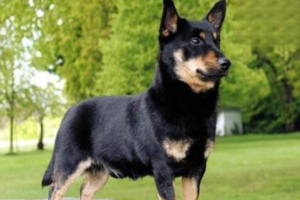
Dogs have spots that suffer from too much washing, ears, nose, anal glands, skin, and paws. Over-cleaning strips protective wax, mucus, oils, and the self-cleaning ability, raising infection and dryness risk, so clean gently and only as needed.

What Happens If You Don’t Dry Your Dog After a Bath
Skipping the dryer after a bath lets moisture sit on the coat, which oxidizes light fur into yellow or red stains and lets fungus thrive in the dampness, causing skin infections. In winter it invites chills and dangerous colds — especially for puppies and seniors — so always blow-dry thoroughly, and wait until vaccines are done for new pups.
What Is Feline Mastitis and What Are Its Symptoms?
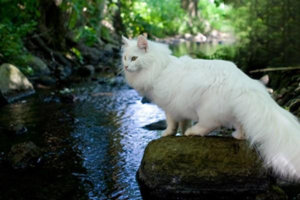
Feline mastitis is inflammation of the mammary glands caused by bacteria such as Staphylococcus, Streptococcus, or E. coli, marked by one or more glands that are red, swollen, hot, and painful, with cloudy or bloody milk and a queen that refuses to nurse. Treatment stops nursing, cleans and drains the gland, and infuses antibiotics (ampicillin or cephalexin) into the teat canal, with systemic antibiotics for severe cases.

Why Dogs Lick Their Owners: What Those Licks Really Mean
Licking releases calming endorphins in a dog's brain, so it often starts as pure pleasure — but the behavior carries many messages. A lick can signal affection, anxiety, a request, grooming, a food smell, an itch, or even pain, so the context decides what your dog is really saying.

How to Give Your Cat a Home Health Check
A hands-on check covers body condition and spirit, then vitals (temperature, pulse, hydration) and a look at the eyes, nose, mouth, ears, skin, chin, anus, and genitals. Red flags such as gum redness, ear-mite crust, tapeworm segments, or a dirty chin mean a vet visit.