Search Results
3 results for “anal atresia”
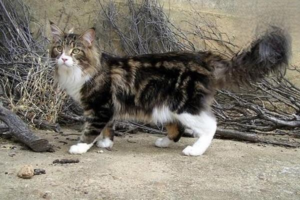
What Causes Abdominal Distension in Cats?
Abdominal distension in cats can signal anything from benign indigestion to serious congenital defects such as anal atresia or polycystic kidney disease. Dietary causes include spoiled ('toxic') milk from an infected queen, while parasites, infections, and simple digestive upset are common culprits. Because bloating ranges from mild to life-threatening, prompt deworming, probiotics, or a veterinary diagnosis is essential.

Symptoms of a Blocked Tear Duct in Dogs
A blocked nasolacrimal (tear) duct shows as constant tearing and a sticky, pus-like discharge at the inner corner of the eye, with the fur below stained red-brown and a little hair loss — but no pain, no vision loss, and no light sensitivity. Many eye problems can cause it (conjunctivitis, keratitis, trauma), and flushing the duct under anesthesia after clearing the infection shortens recovery.

Canine and Feline Nasolacrimal Duct Obstruction (Epiphora)
Nasolacrimal duct obstruction blocks normal tear drainage in dogs and cats, causing chronic epiphora (tear overflow) and facial staining. Congenital duct atresia usually needs surgical correction, while acquired obstruction from conjunctivitis or injury is managed by treating the underlying cause.