Search Results
391 results for “amoxicillin”

What Causes Dog Dermatitis, and How to Prevent It
Dog dermatitis is skin inflammation from bacteria, fungi, or abrasions. When you see red rash, pustules, or crusting, treat promptly to stop it spreading. Here is what causes it and how to prevent it.

What Is the Best Medicine for Dog Dermatitis?
The best medicine for dog dermatitis depends on the cause and severity - treat the right type to heal faster. Here are the main types and the matching treatments.
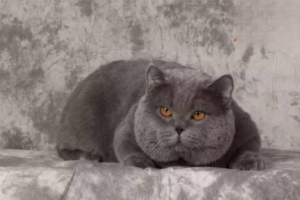
Can You Use Erythromycin Ointment for Cat Eczema? (and What to Use)
Erythromycin ointment is an eye ointment for conjunctivitis with some anti-inflammatory effect, but it does little for cat eczema. Here is why, and what actually works.

What to Do for a Dog with Anemia? What Medicine?
Dog anemia has four types (hemorrhagic, hemolytic, nutritional, aplastic) from causes like trauma, toxins, parasites, and kidney disease. Mild cases need rest and iron-rich nutrition, severe cases need blood-building supplements and, for gut inflammation, antibiotics; see a vet if diet care does not help.

What to Do When a Dog’s Toe Web Is Inflamed and Pus-Filled
Inflamed, pus-filled dog toes are usually interdigital dermatitis, caused by long-term damp paw pads and purulent bacterial infection. Prompt anti-inflammatory, antibacterial treatment is needed to stop it worsening. Here are the details.

What to Do When Dog Pyoderma Is Severe, and Which Medicines Help
What to do when dog pyoderma is severe? Pyoderma starts mild, but without prompt, correct treatment it can spread into widespread dermatitis with discharge, pus, and pustules. Here is how to handle severe dog pyoderma and which medicines to use.

What Medicine to Use for Dog Pyoderma with Pustules and Sores
Pustules and sores on a dog's skin are usually a sign of pyoderma. There are many causes, but mild cases can be treated at home with anti-inflammatory, antibacterial medication. Here is what dog pyoderma is and which medicines help.

Causes and Treatment of Cat Pharyngitis
Cat pharyngitis is divided into primary and secondary types. Primary pharyngitis mostly comes from injury to the pharyngeal mucosa, while secondary pharyngitis comes from infection spreading to the throat. Their treatments differ slightly. Here is a detailed look at the causes and treatment of cat pharyngitis.

How to Treat Bacterial Pyoderma in Dogs
Bacterial pyoderma in dogs is a bacterial skin disease caused by pathogens such as streptococci and Corynebacterium. Treatment focuses on reducing inflammation and fighting infection. Here is how to handle bacterial pyoderma in dogs.

Dog Laryngitis: Diagnosis and Treatment
Dog laryngitis is fairly easy to diagnose through palpation and auscultation. Pressing the throat triggers a sensitive cough, and listening reveals narrowing sounds or rales. Treatment focuses on reducing inflammation, clearing mucus, relieving cough, and providing good nursing care.