Search Results
690 results for “allergy”

Why Does My Cat Still Itch After Deworming?
A cat that keeps scratching after a dewormer isn't necessarily proof the product failed. Dewormers kill parasites but not skin problems, and the wrong product, wrong application, or an untreated home can all leave itching in place. Flea-allergy dermatitis, mites, dry skin, and stress can itch too. Mild scratching for a day or two may just need patience; anything longer with skin damage needs a vet.

Does a Scratching Cat Always Have Parasites?
A scratching cat doesn't automatically have worms. Itching can come from parasites, but also from skin disease, allergies, dry skin, or even stress. Anxious cats may over-groom until they damage their own skin, creating a vicious itch cycle. If scratching continues after a dewormer, or comes with hair loss, redness, bumps, ulcers, or heavy scaling, it's time for a veterinary check rather than more flea treatment.
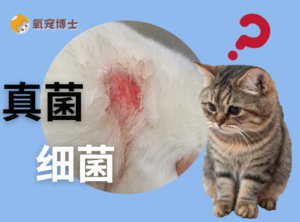
Cat Skin Redness and Hair Loss: Fungal or Bacterial?
A cat's skin normally carries small amounts of bacteria and fungi that only cause trouble when the skin barrier breaks. Fungal infection, usually Microsporum canis, shows as ring-shaped hair loss with a red raised edge and dry scales, and spreads slowly. Bacterial infection is usually secondary—after a scratch, bite, mite, or allergy—and appears as pustules and fast-growing ulcers. Telling them apart guides the right treatment.

Can Dogs Be Allergic to Their Own Kibble?
Dogs can be allergic to kibble, and it is not rare; the usual trigger is grain. Descended from wolves, dogs are built to digest protein and fat, so too much wheat, rice, or corn can cause poor digestion and allergy, and tolerance varies by individual. Signs include hair loss, red itchy skin, spots, restlessness, breathing trouble, runny eyes and nose, swollen paws, and gut upset like vomiting or diarrhea. If your dog is allergy-prone, choose grain-free food and introduce any new food in small test amounts first.

Why Does a Golden Retriever’s Nose Lose Color?
A Golden Retriever's nose can fade for many reasons: too little sunlight, cold weather, aging, genetics, poor nutrition, allergy, or a past injury. Cold-season and genetic fading are normal and need no action, and senior dogs simply show natural aging. But if fading comes from lack of vitamins and minerals or from allergy, step in to prevent bigger problems. Provide sun time, a balanced high-quality diet, and see a vet if allergy is suspected.

Cat Dewormers Compared: How to Choose the Right One
More than half of household cats are estimated to carry at least one parasite at some point, with fleas, roundworms, and heartworm among the most common. Regular, science-based deworming can sharply lower that risk and protect both cat and owner. This guide compares the main types of cat dewormers by their active ingredients and explains how to match a product to your cat's age, lifestyle, and parasite exposure, so you can build a safe, sustainable routine without relying on brand hype.

Cat Deworming: A Beginner’s Guide
Choosing a cat dewormer confuses many new owners, and a wrong pick can fail to work or even cause allergy, gut irritation, or liver damage. The good news is that careful, budget-friendly choices are possible. This guide explains why indoor cats still need deworming, how a combined internal-and-external spot-on (imidacloprid plus moxidectin) works, the correct application steps, and the three myths to avoid—including that dog products can be toxic to cats. Regular, correct deworming protects both cat and family.

Anglo Mink
The Anglo Mink is the domesticated pet ferret (Anglo / Marshall lines) kept as a companion animal. Intelligent, gentle, and easy to litter-train, it is heat-sensitive and mischievous when unwatched, needs a large wire-free cage and 4+ hours out daily, and eats a meat-based diet (30–35% protein, 15–20% fat). Lifespan 8–12 years.

Skin Disease in Collies and Other Herding Breeds: Why Medication Must Be Chosen Carefully
Collies and related herding breeds often carry an MDR1 gene mutation that prevents normal drug clearance, making them dangerously sensitive to certain parasiticides such as ivermectin. Skin problems are treated as in any dog, but parasite control and other medications must be chosen with a veterinarian to avoid toxicity.

Canine and Feline Aural Hematoma
An aural hematoma is a pocket of blood that forms between the skin and cartilage of the ear flap, usually triggered by vigorous head shaking or scratching. Small collections may be drained, but most require surgery to prevent a permanently scarred, thickened ear.