Search Results
21 results for “alfalfa hay”
Can a Chinchilla Eat Only Alfalfa Hay?
Feeding a chinchilla only alfalfa long-term leads to poor nutrition and health problems. Chinchillas are omnivores that need variety—grass hay, dried fruit, nuts, vegetables, and fruit—to meet all their needs. Needs also change with age: youngsters need more protein and calcium for fast growth, while adults need high-fiber hay to aid digestion and wear their teeth. Use alfalfa mainly for juveniles and shift adults toward timothy hay.
How to Feed a One-and-a-Half-Month-Old Chinchilla
A chinchilla at six weeks is weaned and ready to come home, but it is still fragile and needs careful feeding. Base the diet on hay and chinchilla pellets, with alfalfa hay as the young staple and the occasional timothy hay to ease the gut, and avoid treats before eight months. Feed small amounts several times a day, always provide fresh water via a bottle, keep the cage dry and clean, and give a multi-level cage with a wheel and regular free time.
How should I feed a rabbit?
A rabbit's diet should be based on hay. Under 3 months, feed mostly alfalfa hay with occasional young-rabbit pellets; around 3 months start introducing timothy hay, and after 3 months provide unlimited timothy hay with alfalfa and adult pellets as occasional supplements. Always offer plenty of clean water and limit fresh fruits and vegetables to avoid diarrhea.
What should a one-month-old lop rabbit eat?
After a lop rabbit reaches one month old, feed it high-quality rabbit pellets to ensure balanced nutrition. Young lop rabbits are in a rapid growth phase and need sufficient nutrients. During this period, owners can also offer more alfalfa hay, which is rich in calcium and other nutrients that support healthy development.
What to Do When Your Guinea Pig Has Digestive Issues
Guinea pigs have delicate digestive systems, so diet mistakes easily lead to indigestion marked by reduced appetite, weight loss, diarrhea or constipation, bloating, and sometimes vomiting. When symptoms appear, the first step is to adjust the diet: feed a balanced mix, avoid overfeeding hard-to-digest foods like excessive vegetables and fruit, and keep everything fresh. Daily exercise for one to two hours supports gut movement, while a stable, low-stress home environment protects digestion. Adding pet probiotics or prebiotics helps rebalance the gut flora and restore normal function. If symptoms persist, a veterinary visit is essential to rule out gastritis, parasites, or infection. With attentive diet and care, most guinea pigs recover comfortably.

Why Do Guinea Pigs Eat Their Own Droppings?
Guinea pigs eating their droppings is normal, since the stools still hold nutrients they reabsorb, and the process also supplies probiotics. Still, it is best to discourage it. Control portions so food is fully digested and fewer nutritious stools are passed, and clean the cage right after they defecate to remove the chance. Feed a balanced mix of pellets, hay, greens, and fruit, and note guinea pigs cannot make their own vitamin C, so include vitamin-C sources daily.

When Should a Rabbit Start Chewing (Teeth Filing)?
Rabbits generally need to start chewing around 2-3 months old, once their teeth are fully grown; without it, the front teeth keep growing and can cause chewing trouble or even eating problems. Overgrown teeth can pierce the gums and lead to infection. Offer safe chew toys or untreated natural wood (apple twigs, willow, corn cob), and have a vet trim them if they get too long.

How Many Times a Day Should You Feed a Rabbit?
Most adult rabbits do well on two meals a day, while growing juveniles need three to four smaller feedings; seniors or rabbits with health issues may need adjusted schedules per a vet. Base the diet on unlimited hay, a measured amount of pellets, and limited fresh vegetables, and keep portions modest to avoid obesity and gut trouble. Watch appetite and weight and adjust as needed.
List of vegetables a baby rabbit can eat
Many greens are safe - alfalfa sprouts, lettuce, carrot, celery, spinach, etc. - but feed little; hay is the staple and too much greens causes diarrhea.
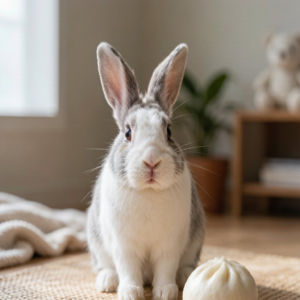
Can Rabbits Eat Steamed Buns?
It is best not to feed rabbits steamed buns. Made mainly of flour, yeast, and water, buns are rich in carbohydrates that a rabbit's digestive system cannot handle well, and eating them can cause digestive trouble and obesity. A rabbit's diet should center on high-fiber, low-fat, low-sugar plants. Grass provides the fiber that supports gut digestion, so pair hay with limited fruit and vegetables for balanced nutrition.