Search Results
37 results for “age-appropriate”
How should you raise a German Shepherd?
Raising a German Shepherd requires attention to diet, deworming, vaccines, and exercise. Feed age-appropriate food, soak kibble for young puppies, and deworm and vaccinate on schedule.
What happens if a puppy is overfed?
If a puppy is overfed, it can suffer from indigestion, vomiting, diarrhea, and bloating, and long-term overfeeding may lead to obesity and strain on developing joints. Puppies have small stomachs and need measured portions.
How should a Scottish Shepherd be raised?
Scottish Shepherds are very energetic and need daily outings. Feed age-appropriate food: milk-softened kibble for 2-month-olds, puppy food thereafter; deworm on schedule.
How do you care for a Schnauzer?
Schnauzers are not picky eaters; feed age-appropriate complete kibble on a schedule and some fruits and vegetables, but limit fatty meat. They are energetic, so exercise daily, and groom their long coat often.
How to raise a long-haired terrier?
Feeding is like other dogs; choose age-appropriate food. Under one year use puppy food with coat-care ingredients like avocado or fish oil. After one year switch to adult food. Groom daily and watch skin health.
How old is an 11-year-old dog in human years?
An 11-year-old dog is roughly equivalent to a 60-70-year-old human. Small breeds equal about 60, medium about 65, and large about 70. At 11, any dog is a senior and needs controlled activity and senior-formula food.

Do Dogs Need to Switch Food Regularly?
Dogs benefit from periodic food changes: nutritional needs shift across puppy, adult, and senior life stages, health issues (joints, skin, teeth) call for targeted formulas, and rotation aids weight control and fights flavor fatigue. Switch gradually with a 7-day transition (75/25 → 50/50 → 25/75 → 100%) and slow down if digestion reacts.
The Complete Kitten Socialization Guide
A kitten's socialization window is 3–7 weeks of age — the prime time to build positive associations with people, sounds, touch, and new environments. Gentle handling acclimates them to paws, ears, and mouth, easing future grooming, nail trims, and vet visits. Keep sessions short, never force or scold, and reward calm cooperation; stop at any stress signal like flattened ears or a lashing tail.
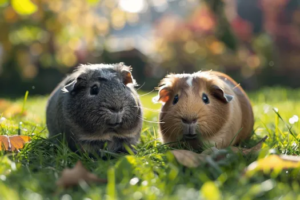
How to Choose the Right Chinchilla Food
Choose chinchilla pellets by checking the ingredients (16–20% plant protein, at least 18% fiber, 2–5% fat), picking reputable brands, verifying freshness, and matching the formula to your pet's age and health. Transition to new food gradually and supplement with hay for fiber and dental wear.

Bringing Home a 2–6 Month Old Puppy or Kitten: A Complete Care Checklist
A new 2–6 month old puppy or kitten is fragile, and mistakes in the first weeks—too much handling, wrong food, missed vaccines—can cause stress, illness, or worse. Start by letting the pet settle alone for 1–2 hours before gentle interaction; keep the same food it had before (soak kibble if needed) and feed 3–4 small meals a day. Watch the first week closely, since transport can expose them to panleukopenia, cat flu, distemper, or parvovirus on top of stress. The vaccine and deworm timeline matters: deworm first, wait at least 7 days, then vaccinate (dog multivalent from ~45 days, three shots 21 days apart, rabies at 3 months; cat FVRCP from 2 months, three shots 28 days apart, then rabies). Don’t bathe, delay outings until vaccinated, and never feed toxic people foods like grapes, chocolate, coffee, or avocado.
- « Previous
- 1
- 2
- 3
- 4
- Next »