Search Results
668 results for “affection”
Can a Cat’s Personality Change?
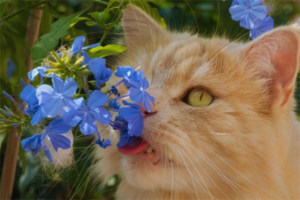
A cat's personality can shift under certain conditions, influenced by negative experiences, health, age, and genetics. For example, a once sunny cat may become timid or depressed after abuse or the loss of a companion. To keep a cat's character stable and healthy, provide a steady environment, proper socialization, and plenty of affection.
Yes, Cats Get Jealous: 5 Signs to Watch For
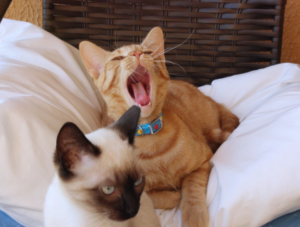
Cats may look aloof, but they do feel jealousy, rooted in a strong sense of ownership. When a new pet arrives or you focus on another animal, a cat may fixate on the "rival" while emitting a low growl. Some cats act out by spraying, destroying things, or fighting; others go quiet, hide, and refuse food. That withdrawal reflects sadness and anxiety, and if ignored it can harm health, lowering immunity, causing weight loss, or triggering feline idiopathic cystitis. The good news is that jealousy means your cat cares; more one-on-one time and a slow introduction of newcomers resolve most cases.

How to Show Your Dog You Love It (in a Language It Understands)
Dogs may not speak, but their emotional world is rich. Brain-imaging work at Emory University shows a dog's brain reacts to its owner's voice and scent in areas similar to where humans process emotion, so your affection is a real signal your dog can feel. You can speak its language through soft eye contact (which raises oxytocin in both of you), calm pressure-petting, high-engagement play, frequent praise, leaving a scented item in its bed, and keeping a predictable routine. These small daily acts lower stress and deepen the bond far more than words alone.
Do West Highland White Terriers Bark a Lot? Yes — Here’s Why
West Highland White Terriers are vocal dogs. Bred as terriers in Scotland to hunt small rodents, they were selected to alert their handlers with barks, and that instinct remains strong. Westies bark out of alertness, pent-up energy, attention-seeking, seasonal restlessness, or as a sign of pain. The good news is that barking is manageable: daily exercise, a "quiet gets rewarded" system, desensitization to common noises, early socialization, and ruling out health issues all make a big difference. A sudden change in barking paired with other symptoms can signal discomfort and warrants a vet visit.

Why Has Your Cat Suddenly Become Aggressive?
A cat can turn aggressive for many reasons, including physical health problems, social conflict, bad past experiences, lack of play and stimulation, and fear or stress. Owners should learn their cat's physical and emotional needs and provide affection, social contact, stimulation, and a safe environment to prevent negative moods. If the aggression persists or worsens, have the cat checked at a veterinary clinic and, when needed, consult a professional animal behaviorist.

Cat Breeds with Beautiful Blue Eyes
A cat's eye color is set by its genes, and breeds carrying the dominant white gene most often have blue eyes. Several popular breeds share this striking feature, from the silky Balinese and friendly Birman to the plush Himalayan and elegant Persian. The blue-eyed Siamese and its relatives, the Ragdoll and Snowshoe, are favorites for their vivid gaze and gentle nature. If you are drawn to blue eyes, learn each breed's temperament and needs before choosing the one that fits your home.
100 Essential Tips Every New Cat Owner Should Know
Bringing home a first kitten is exciting but daunting, and poor care can hurt both of you. These 100 essentials cover diet (life-stage food, toxic grapes/chocolate/onion/garlic, no bones or raw meat, fresh water), daily care (brushing, nail and ear cleaning, litter hygiene, n+1 boxes), health (vaccines at 8–12 weeks, deworming, normal temperature 38–39.2°C, spay/neuter, no human meds), behavior (slow blinks, tail talk, no punishment), and home safety (screens, hiding wires, toxic plants, no smoke). Read them once and you'll share a calmer, healthier life with your cat.
Does a Cat’s Personality Change After Neutering?
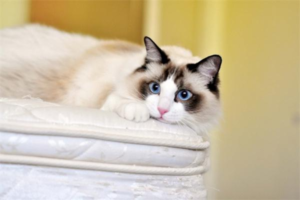
The belief that cats turn gentler after neutering is partly true but not guaranteed. Neutering removes the testes or ovaries and uterus, so a cat can no longer breed and its sex hormone levels drop. Without heat cycles driving hormones up, many cats become calmer and more stable, with less aggression and territorial drive, and they often accept petting more willingly. But the direction and size of any change depend on the cat's age, temperament, and environment. Some become more aloof and less social, and right after surgery a cat may act irritable and lose appetite from pain, fear, and the stress of the procedure. Others show no clear change at all, especially if their personality was already steady. Support your cat through mood swings with extra affection, a stable routine, private space, and more gentle interaction. Neutering does not rewrite a cat's core self, so stay patient and respect its individuality.

How to Stop Destructive Behavior in Cats
Cats may tear things up out of boredom, excess energy, or a bid for attention, so the fix must match the cause. Provide stimulating toys and play, set clear rules and stop bad acts with a sound or spray, and give regular companionship so they don't act out from loneliness. If the damage is deliberate, scold in the moment and withhold attention if it's attention-seeking; for safety-affecting behavior, consult a vet or behaviorist. Enough love, structure, and interaction let a cat thrive.

What to Do When a Kitten Won’t Sleep in Its Bed?
A kitten that refuses its own bed and insists on sleeping with you is usually driven by a need for security, warmth, or companionship. To gently change the habit, set up a roomy, cozy bed with a soft cushion—and, for a clingy kitten, tuck in a piece of your worn clothing so it can smell you. Place the bed somewhere quiet, warm, and dim, and spend calming time playing and grooming before sleep to help it settle. Build independence gradually: move the bed a little farther from your own over time, and keep night-time interaction low. Patience and consistency turn the cat bed into a place your kitten chooses on its own.