Search Results
110 results for “active cat breeds”
Is the Toy Poodle Really Easy to Keep? Don’t Be Fooled
Toy Poodles are smart, cute, low-odor, and light shedders, so they're often pitched as the perfect beginner dog. But they come with real drawbacks: fragile bones prone to patellar luxation, a tendency to mount and bark, stubborn tear stains, sensitive stomachs, and ear infections. Know the full picture before you bring one home.
6 Signs Your Dog Might Not Be the Brightest (and How to Tell Real From Fake)
Slower learning, friendliness toward strangers, failing to recognize you in new clothes, picking fights regardless of size, house-soiling past six months, and 'arguing' with its mirror can all suggest lower dog intelligence. But before labeling a dog 'dumb,' rule out breed stubbornness (Afghan Hound, Chow Chow), lack of early socialization, short attention span, or health issues like hypothyroidism and cognitive dysfunction.
Does a Senior Dog Still Need Daily Walks?
Yes — senior dogs still need daily outings, just smarter ones. Gentle, frequent, short walks keep joints lubricated, weight down, and spirits up. Aim for three to four outings of 15–30 minutes of slow walking or swimming instead of one long, hard session.

What to Do When Your Hamster Chews the Cage and Keeps You Awake
Hamsters gnaw on their cages out of natural needs—filing their continuously growing teeth, relieving anxiety, mating energy, or plain curiosity—not out of bad behavior. Give them a larger cage, plenty of toys and safe chewing items, a steady daily routine, and a calm, quiet spot to cut the noise and protect their health.

Import or Domestic Dog Dewormer? What Actually Matters
When choosing a dog dewormer, a high price tag doesn't guarantee the right fit. The real differentiators are the purity of the active ingredient, the safety of the solvent, and transdermal absorption technology—not the country of origin. Look at the approval number, concentration, and labeled indications, and pick a product your dog's body tolerates and you can use consistently.

Dog Panting After a Short Walk? Watch for Heart Trouble
Panting after a brief walk is not always harmless—it can be a dog's heart crying for help. Heat, obesity, and flat-faced breeds pant normally and recover within minutes, but sudden breathlessness at rest, coughing at night, bluish gums, or constant fatigue warrant prompt cardiac screening. Early diagnosis and steady daily care can dramatically slow heart disease.

Bichon Frise: Pros and Cons to Consider Before Adopting
The Bichon Frise is a small, fluffy, friendly companion that rarely sheds and suits apartments and families. But it is not the easiest breed to live with: tear stains are almost inevitable, its curly coat needs constant grooming, it is prone to separation anxiety, and its delicate constitution means sensitive digestion and frequent dental issues. Weigh these pros and cons before bringing one home.

What Causes Glaucoma in Dogs?
Canine glaucoma comes in primary and secondary forms. Primary glaucoma is a hereditary drainage-angle defect that blocks fluid outflow and raises eye pressure; it is common in Huskies, Chow Chows, Poodles, Cocker Spaniels, Beagles, and Maltese, usually appearing at 4–9 years. Secondary glaucoma follows eye disease such as uveitis, pupil blockage, lens luxation, or tumors. Treatment aims to lower pressure and save vision—medication works best early, but surgery is often needed later. Because early signs are subtle, at-risk breeds should have annual eye-pressure checks.
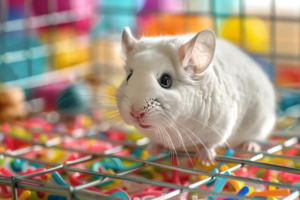
Can Hamsters Get Diabetes?
Hamsters can and do get diabetes, and it is not rare. Like in people, the direct cause is too little insulin, and obese hamsters and dwarf breeds are most at risk. Signs are overeating, heavy drinking, more urine with a strong smell, weight swings, tiredness, mood swings, and in severe cases unsteady walking or coma. Diabetes cannot be cured, so strict sugar control with high-protein, high-fiber, low-fat, low-sugar food is vital; dwarf hamsters should avoid all sweets. Keep them active to prevent obesity.

When Your Pet’s Heart Is Weak: CoQ10 as Part of the Plan
Heart problems are the quiet killers of pet health — by the time a dog pants after a short walk, coughs at night, breathes from the belly, or shows purple gums, heart failure may already be mid-stage and medication-only. CoQ10 is not a cure, but it is far from a placebo: it powers heart contraction, acts as a strong antioxidant, and declines with age. This guide covers the warning signs, the breeds at risk, and how CoQ10 fits into a real care plan.