Search Results
87 results for “abdominal fluid”
Does Abdominal Fluid in Cats Always Mean FIP?
Fluid in a cat's abdomen, or ascites, is a sign—not a diagnosis. It can stem from liver or heart disease, kidney failure, malnutrition, or peritonitis caused by infection, viruses, or injury, and only one of those causes is feline infectious peritonitis (FIP). Because the symptom alone cannot confirm FIP, diagnosis needs bloodwork, imaging such as X-ray or ultrasound, and viral testing. If your cat shows a swollen belly, lethargy, fever, or breathing trouble, see a veterinarian promptly to find the real cause.

Abdominal Wall Hernia in Dogs and Cats
An abdominal wall hernia is a pouch of abdominal contents pushing through a defect in the belly wall under the skin. Small hernias can be pushed back, but trapped (strangulated) ones cause sudden pain and shock; treatment is surgical repair plus antibiotics.

Diseases with Symptoms Similar to Feline Liver Failure
Liver failure is an abnormality that occurs when the liver is affected by impaired blood flow, reduced oxygen supply, hepatotoxic drugs or chemicals, excess heat, or infectious agents. Liver failure can occur in dogs and cats of all ages and breeds. It may affect multiple organ systems, including the liver and gallbladder, nervous system, gastrointestinal tract, and blood system. Affected pets may show various symptoms, including anorexia, lethargy, depression, vomiting, diarrhea, seizures, abdominal fluid accumulation, bleeding, and jaundice (yellowing of the skin).

Pulmonary Valve Stenosis in Dogs
Pulmonary valve stenosis is a common congenital narrowing of the heart's right-side outflow valve, causing exercise intolerance, breathlessness, and fluid buildup in severe cases. Surgical repair is the definitive treatment, with supportive care for heart failure.

Atrial Septal Defect in Dogs and Cats
Atrial septal defect is a congenital hole in the wall between the heart's upper chambers, often inherited, causing poor exercise tolerance, weakness, and breathlessness. Severe cases progress to right-sided heart failure. Surgical repair is the definitive treatment.

Hydrothorax (Pleural Effusion) in Dogs and Cats: Symptoms, Treatment, and Prevention
Hydrothorax is a non-inflammatory fluid buildup in the chest that compresses the lungs and causes breathing difficulty. It usually signals heart disease or another systemic problem, and is treated by draining the fluid and managing the cause.

Feline Infectious Peritonitis (FIP): Symptoms, Treatment, and Prevention
Feline Infectious Peritonitis (FIP) is a chronic, progressive, and often fatal viral disease of cats caused by a mutated feline coronavirus. It is marked by inflammation of the abdominal lining, accumulation of fluid in the abdomen (the 'wet' form), and a high mortality rate. Young cats under 12 months, purebreds, and cats in multi-cat or shelter environments are most at risk.

What Is Feline Infectious Peritonitis (FIP) and Its Symptoms
FIP is an often-fatal disease; the coronavirus is the culprit. Many cats catch the coronavirus, but few develop FIP.

How to Choose Cat Food
Every new owner has struggled with choosing cat food - worrying about ingredients, toxic food, harm to the cat. My advice: spend within your means.
What to Do for Feline Liver Failure
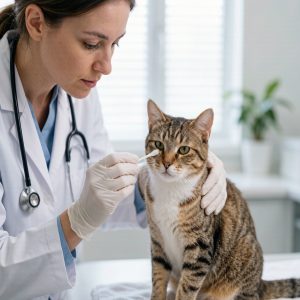
The veterinarian will perform various tests to diagnose liver failure and rule out other diseases that may cause similar symptoms. Obtaining a complete history, describing clinical signs, and a thorough physical examination are all important methods for reaching a diagnosis. In addition, a liver biopsy is necessary in some cases to obtain a definitive diagnosis. Your veterinarian may recommend the following tests to rule out other diseases and confirm the diagnosis of liver failure.