Search Results
12 results for “West German Shepherd”
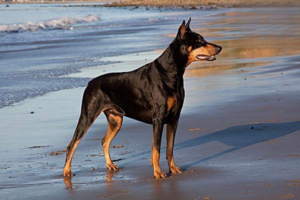
East German vs West German Shepherd: What’s the Difference?
Most think there is only one German Shepherd, but it is split into East and West lines. What differs between them? This article explains in detail.
How to tell if a West German Shepherd is pure
Pure West German Shepherds are large, compact, sabre tail, thick coat, back curved down, black-red/black-brown with a large black back patch. Erect ears, head ~40% of height, medium sharp eyes, deep-black nose. Calmer than East German, good family companion.
What are the differences between East and West German Shepherds?
East German Shepherds are more active and work-oriented with grey-black coats, while West German Shepherds are calmer, show-focused, and black-red or black-brown. West German lines generally make better family companions.
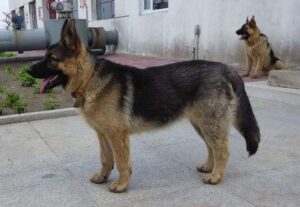
West German Show Line German Shepherd
The West German Show Line German Shepherd is the straight-backed variety of the German Shepherd. While the roached-back type is more common as a pet and show dog, the straight-backed line is prized by police and military for its strong working ability and endurance, though both share the same intelligence and temperament.

Is an Arch-Back Dog a German Shepherd?
An "arch-back" dog is one type of German Shepherd, the breed splits into short-coated arch-back and long-coated flat-back forms with no difference in intelligence. German Shepherds are versatile, devoted family and working dogs that need balanced feeding and chew training.

German Shepherd Dog
The German Shepherd Dog, developed in Germany in 1899, is a large, versatile working dog used worldwide as a police, detection, and guide dog, as well as a popular family companion. Confident and capable, it excels at any task.

How Much Exercise Does a Dog Need?
A dog's age, breed, and physical condition affect how much exercise it needs. This article explains the exercise requirements of different dog breeds.
Can All Dogs Have Erect Ears?
Not all dogs have erect ears; many breeds do, like the German Shepherd and Samoyed, while some always flop. Per the source, Corgi, Samoyed, and Standard Schnauzer are listed as non-erect.

Symptoms and Treatment of Seborrheic Dermatitis in Dogs
Canine seborrheic dermatitis is linked to genetics, hormonal imbalance, nutritional deficiency and skin infection. Affected dogs often give off a distinct odor along with hair loss, mild itch, and greasy yellow buildup on the skin. This article explains the symptoms, causes and treatment.

What Is Storage Disease in Dogs?
Storage disease is a hereditary metabolic disorder where certain substances build up abnormally in the body's tissues. The two most reported forms in veterinary medicine are lysosomal storage disease and glycogen storage disease. It strikes dogs and cats, is very rare, and appears early in puppies and kittens because it is inherited. Nerve-related signs include poor growth, ataxia, seizures, exercise intolerance, behavior changes, and vision loss. Diagnosis uses blood, urine, imaging, biopsy, and enzyme tests; care is supportive, and affected dogs should never be bred.