Search Results
704 results for “Warmth”
Are Corgis afraid of the cold?
Corgis tolerate cold fairly well thanks to dense undercoat, but puppies and seniors need extra warmth.

Do Budgerigars Tolerate Cold Weather
Budgerigars are sensitive to cold and cannot survive below 5 C, so keep the room above that in winter. Move the cage indoors and, if needed, use an incandescent lamp or heater. Feeding more oil-rich seeds like peanuts and sunflower helps them build fat reserves. Lower the bath frequency in cold weather, bathe only in warm water, and if a bird catches a chill, keep it warm and use an antibiotic as directed. Good hygiene supports recovery.
Do Dogs Get Menstrual Cramps?
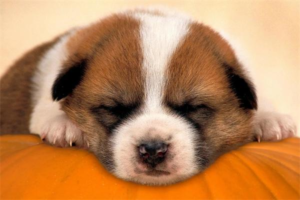
A female dog in heat may show abdominal pain, but clinical tools cannot yet confirm whether the pain comes from the uterus, so true menstrual cramps like in people remain unclear. The discomfort is usually mild and varies by dog. During heat she may also be restless, less active, have red discharge, and lick the area often, so give warmth and cleaning care.

Can a Dog’s Chill-Induced Vomiting Heal on Its Own?
When temperatures drop, some dogs still nap on cold floors or drink icy water, irritating their stomachs and triggering vomiting. Whether this resolves on its own depends on the cause. Mild vomiting from a chill often settles within a short time, but persistent or worsening signs—diarrhea, fever, appetite loss—point to conditions like gastritis, infection, parasites, or pancreatitis that need a vet. This guide explains when to wait and how to care for your dog at home, including warmth, a bland diet, probiotics, and close monitoring—while stressing that human medication should never be given to dogs.

Why Is Your Cat Withdrawn or ‘Autistic’?
A cat that seems 'autistic' or withdrawn may have a congenital communication disorder, or may have become so from abuse, a cold or distant owner, long-term caging, or past trauma and fright. Signs include little curiosity, isolation in corners, dulled reactions, sleep and appetite loss, and in severe cases self-harm. These cats need extra love and companionship, gentle interaction, and confidence-building, and should never be abandoned, since a withdrawn cat struggles to survive outdoors.

Why Is Your Dog Suddenly Shivering?
A dog that suddenly shivers may be afraid, over-excited, cold, unwell, or poisoned. Fear and excitement are normal responses that pass on their own, while cold calls for warmth. Persistent or repeated shivering can signal illness such as neuromuscular disease, chronic kidney failure, or distemper, and shivering soon after eating may mean toxin ingestion like chocolate or grapes. Calm a frightened dog, warm a chilled one, and see a vet if the shaking continues, comes with other signs, or follows a suspect meal; teach a 'leave it' cue to stop scavenging.

Do Cats Hold Grudges After Being Hit? (Why You Shouldn’t Hit Them)
Many owners think a single hit is no big deal, but cats have strong short-term memory for painful or frightening events. A kitten may not "hold a grudge" but will remember being hurt and slowly lose trust, hiding whenever it sees you. Adult cats remember even more and are quicker to resent. Hitting rarely teaches a lesson, since only a few very smart cats grasp your intent. Signs of a grudge include refusing touch, destroying things, inappropriate elimination, counter-attacking, or running away. The fix is to stop all physical punishment, rebuild trust with treats and play, and correct with a firm voice, time-out, rewards, or a mother-cat style neck tap instead.

Which Dog Breeds Tolerate Cold Best?
Breeds with strong cold tolerance include Labrador Retriever, Tibetan Mastiff, Alaskan Malamute, Samoyed, and Husky. Their dense coats and thick fat layer shield them from cold and keep them comfortable in winter, but they are prone to heat and need cooling in summer. Owners should not overestimate this trait, since a cold-tolerant dog raised in warm regions may lose some of its resistance.

Why Does Your Cat Stick Out Its Tongue?
Cats stick out their tongues for many reasons, including cooling down, cleaning the mouth, relaxation, and illness, or simply as a normal habit. They pant lightly to release heat through tongue vessels, and their barbed tongues groom the body and clear food and bacteria from the mouth. Frequent or long-lasting tongue-out behavior, though, can signal a health problem worth checking.

Why Does Your Cat Love to Rub Against You?
Cats have scent glands on their cheeks and chin that release a marking substance. When a cat rubs on you, it leaves its scent to claim you as part of its territory, a way to express belonging and security. A cat may also rub when bored or hungry to ask for attention, play, or food. Respond with a gentle voice and soft strokes on the head, chin, or neck, and spend more time playing together.