Search Results
704 results for “Warmth”
Why is my rabbit trembling?
A trembling rabbit may simply be cold or frightened. Rabbits are timid and may be scared by unfamiliar surroundings or sudden loud noises; placing them somewhere quiet and comfortable lets them calm down. In very cold weather, they may shiver from the cold, so provide warmth and shelter to prevent illness.
What medicine should I give a cat with a runny nose and sneezing?
Likely a cold — oral amoxicillin-clavulanate helps. Cats catch colds in cold, swingy weather, so keep them warm. With meds and warmth they usually recover in days. If symptoms persist, suspect mycoplasma/chlamydia and see a vet.

Signs of a Dead Fetus in a Pregnant Cat
A dead fetus in a pregnant cat can show as low mood, lost appetite, belly pain, stalled or falling weight, delayed labor, and foul discharge. A retained fetus risks uterine infection or toxicity, so an ultrasound or X-ray and prompt veterinary care are vital.
Is it normal for a puppy to twitch and shake while sleeping?
A puppy twitching in its sleep is usually normal, as dogs dream and may move from excitement. If the room is cold, shivering means it is chilly, so add bedding. Low blood sugar or calcium can also cause sleep twitching; if the puppy is otherwise dull and wobbly, see a vet.

Why Is My Dog’s Jaw Chattering?
A dog's teeth may chatter from cold or anxiety — the two most common causes — or from oral pain, gastrointestinal disease, or neurological problems. Warm and comfort a cold or scared dog, and see a vet promptly if disease is the likely cause.
Should hamsters have wood shavings in summer?
Hamsters do not need wood shavings in summer, since shavings are for warmth and can trap heat and cause heatstroke. Use cooler bedding like cat litter, wood pellets or corncob, and add a cooling plate to lie on. Because bedding gets damp faster in summer, change it and clean the cage regularly.
Will a turtle starve to death?
Yes, eventually. In cool temps a turtle hibernates with very low metabolism and can go 2–3 months without food; in warmth its metabolism is faster and it may starve in about a month. Hatchlings store less energy and starve sooner, so feed on a fixed schedule and, if it stops eating, raise the water temperature or check for illness.

How to Care for Rabbits in Winter
Winter rabbit care centers on warmth, nutrition, exercise, and health checks. Provide a well-insulated, draft-free hutch with soft bedding, feed extra high-energy food and offer warm water (30-40C), and let them exercise and sunbathe on milder days.
Winter Dog Care: The ‘Five Do’s and Five Don’ts’ to Save
In winter, keep dogs warm by breed/age (short-haired, small, puppy, and senior dogs need coats outdoors; long-haired breeds don't), add nutritious cooked meats, watch electric-heater safety, groom coats, and protect paws from salt. The five don'ts: no all-day clothing (weakens the coat's insulation), no staying indoors (winter blues), no skipping deworming (every 2–3 months), no drinking snow melt (gut irritation), and no frequent baths (monthly is enough).
Why Does Your Cat Like to Sleep on You?
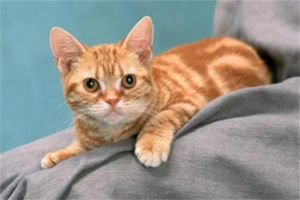
Cats sleep on you for warmth and safety (their wild ancestors sought sheltered warmth), to bond and show trust, and for comfort when anxious. The closeness even releases endorphins in you—but cats can carry parasites and bacteria, so deworm routinely, wash bedding often, and bathe the cat.