Search Results
704 results for “Warmth”
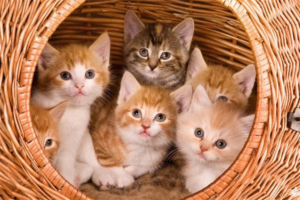
Do Cats Recognize Their Owners?
Cats do recognize their owners, but it takes enough companionship and affection to build security and trust. Though independent, after time together with safety and warmth they will bond. Be patient, spend time with them, and earn their love and trust.

Do Mother Dogs Discipline Their Puppies?
Mother dogs do discipline their puppies. After birth they give full care, such as warmth through licking and contact, and stimulate elimination by licking the anus. As puppies grow, her approach changes. Once teeth appear, she teaches them firmly, such as what to chew and how to interact with people.

What to Do When Your Hamster Has Yellow Watery Stool
Yellow watery stool in a hamster can come from too much moisture in food, digestive upset, or chilling. First watch the hamster's energy and appetite; if both are normal, observe a while longer. Avoid high-moisture foods like fruits and vegetables, and keep the surroundings warm. Pet probiotics can help balance the gut flora.

Do Dogs Recognize Their Own Puppies?
Dogs can recognize their puppies through smell, sight, sound, and memory, and give them special care—but ability varies by individual, and long separation blurs the scent and face so they may no longer know them. Mothers bond via scent and sight during constant contact; some toms show similar care too. It's a real bond that aids the puppies' survival, yet each dog differs.

Do Cats Take Care of Their Kittens?
Mother cats do care for their kittens—it's instinct. Before birth they seek a clean, safe, undisturbed spot, and after, they lick the kittens to clean them and ensure breathing, keeping them close for warmth and comfort, and later teach litter-box use and hunting. They typically raise kittens until about two months. Tom cats generally don't, lacking that instinct, though they may tolerate them. If a queen is too weak or ill to care, the owner must step in.
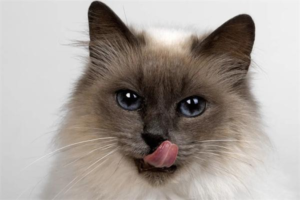
Why Does My Cat Like to Sleep Next to Me?
A cat may curl up next to you for several reasons: warmth, a sense of security, social bonding, access to resources, and marking territory. Cats like warm, safe spots, and your body heat provides comfort - one reason they snuggle close. They may also be leaving their scent on you to claim you as theirs.
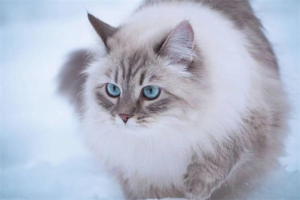
Why Do Some Cats Never Knead?
A cat that never kneads may simply be that way by nature, or it may have missed out on time with its mother as a kitten and never learned the behavior. A cat's environment also shapes its behavior and mood: warmth and comfort bring more security and make kneading more likely. If a cat suddenly stops kneading, though, an underlying health issue could be the cause, so see a vet if you notice any discomfort.

What Happens If a Rabbit Gets Caught in the Rain?
Rabbits tolerate neither cold nor heat, so rain easily makes them ill—soaked fur drops body temperature and invites colds and pneumonia, while dampness breeds skin infections like eczema and fungus, and chills can shut down digestion and cause diarrhea. Keep their home dry and sheltered, add warm bedding in wet weather, and watch for redness, itching, or appetite loss.

What Causes Wet Tail in Hamsters?
Wet tail in hamsters comes from dirty water, poor cage hygiene, stress and anxiety, or disease such as enteritis and parasites. The clearest sign is a wet tail plus hair loss, redness, and itching; untreated, it can ulcerate. Treatment targets the cause—warmth and cold medicine, easily digested food and probiotics for gut issues, deworming for parasites—and a clean, dry, roomy home prevents it.

Are Hairless Guinea Pigs Hard to Care For?
Hairless guinea pigs are trickier because they lack fur protection and catch cold easily. Keep them at 20–25°C with added humidity, clean them with a damp cloth, check their skin often, and give space and social time with other guinea pigs.