Search Results
704 results for “Warmth”

How to Keep Your Guinea Pig Warm During Seasonal Changes
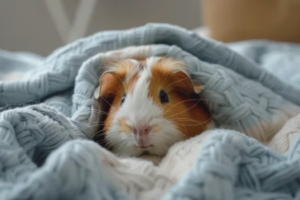
Guinea pigs are comfortable at 20-28°C; below 20°C they need warming. Seasonal swings bring sudden cold snaps, so keep them indoors, block drafts with towels or boxes, raise the cage off the cold floor, and use heating pads or blankets if it gets colder.
What to Do When Your Hamster Has Diarrhea
A hamster's gut is delicate, and diarrhea can turn fatal fast without prompt care. Causes include too much watery food, poor hygiene and stress, cold weather, or allergies. Treat by cutting juicy foods and adding probiotics, warming the cage, or removing the allergen; keep the environment dry and ventilated.

Things to Know About Keeping Parrot Fish
Parrot fish are striking, but without careful keeping they fade, lose their shine, or fall ill. Cover six basics: clean water, stable warmth, the right feeding, a quiet spot, some light, and plenty of oxygen.
What to Do When a Red Parrot Fish Turns White
A red parrot fish fading to white usually means cold water, bad water, missing pigment in food, or white spot disease. Find the cause and treat it to restore the color.

Turtle Cold: Symptoms and Treatment
Turtle colds show as dull eyes, weeping eyes, runny nose, lethargy and white material at the mouth; severe cases develop pneumonia (crusted nostrils, wheezing). Treat by severity — isolation and warmth for mild, antibiotic (gentamicin/oxytetracycline) baths for moderate, and amoxicillin by weight for severe — keeping the enclosure at 30–32°C.
How to Deal with Black Veil (Darkening) on Blood Parrot Fish
A black veil on blood parrot fish can come from temperature swings, fright, or black spot disease. Identify the cause and treat it with stable warm water, salt, or medication.

Is My Chinchilla Dead If It Has Gone Stiff?
A chinchilla that suddenly goes stiff and motionless worries many owners, but stiffness is not always death. The common causes are low blood sugar, heatstroke, cold (entering a dormant state), and injury. Most are reversible with warmth, glucose water, cooling, or veterinary care—so check before assuming the worst.

Parrot Pneumonia: Symptoms and Treatment
Parrot pneumonia often follows untreated colds or arises from dirty, pathogen-heavy environments. Signs include lethargy, loss of appetite, breathing difficulty, and shivering. Treatment focuses on warmth (22-25 C), clean housing, supportive care, and antibiotics such as gentamicin for serious cases.

Parrot Cold: Symptoms and Treatment
Parrots get colds from sudden temperature swings or drafts after bathing, showing lethargy, runny nose, and sneezing. Clean the nostrils, move the bird to warmth, and use bird-safe cold medicine; severe blockage can suffocate, so treat early. Note parrot colds can spread to humans.

How Soon Can a Dog Be Bathed After Giving Birth?
A mother dog should not be bathed until at least one month after delivery, because an open cervix lets bacteria enter the uterus and cause infection. After a month, clean the soiled areas carefully and dry the coat thoroughly, while supporting her with good nutrition, a calm environment, and warmth.