Search Results
704 results for “Warmth”

Breeding Rabbits: Reproductive Period and Best Use Years
Quality breeding stock lifts litter rates and kit health. Rabbits breed 4–5 years but peak at 1–2; manage housing (raised, dry, clean), season care, and disease prevention (vaccines, coccidiosis meds, regular disinfection) to get the most from them.

Seasonal Cat Care: Managing Your Cat Through the Year
A cat's care needs change with the seasons. Spring brings heat and shedding, summer risks heatstroke, autumn is breeding and molting season, and winter calls for sunlight and warmth. This guide covers the key management points for each season.
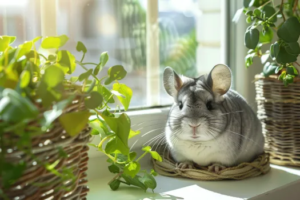
Are Chinchillas Easy to Keep? Key Care Tips
Chinchillas are gentle, clean, and low-odor herbivores that are fairly easy to care for, but they need a cool environment (15–23°C), a hay-based diet, and patient handling. This guide covers the essentials for new owners and the foods and habits to avoid.

How to Care for Rabbits in Winter: Tips for Pet Owners
Rabbits are not easy pets, and careless winter care makes them sick. This guide covers warmth, extra feeding, cage hygiene, exercise, winter breeding, and careful grooming so your rabbit stays healthy through the cold months.

Caring for Your Dog Through the Four Seasons
A dog's body adapts to each season, so owners should adjust care through the year. This guide covers spring shedding and checkups, summer cooling and parasite control, autumn exercise and coat care, and winter warmth and diet.

What to Feed a 2-Month-Old Kitten: A Complete Care Guide
At two months a kitten has just been weaned and its digestion is still immature, so feeding needs care. This guide covers the right diet—kitten kibble softened with goat's milk—plus warmth, deworming and vaccination essentials.
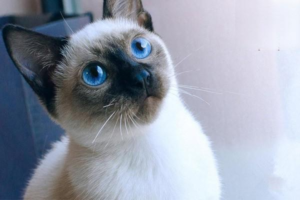
Why Does My Cat Always Tuck Its Paws Under Its Body?
Cats often tuck their paws under the body whether resting or sleeping. It can mean the cat feels safe and relaxed, is cold, wants to avoid being disturbed, or is protecting you from its sharp claws.
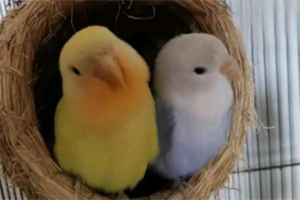
Mistakes to Avoid When Keeping a Parrot
Successful parrot keeping means avoiding key mistakes: don't feed only sunflower seeds, never hit the bird, don't overheat the cage, keep it off your shoulder, and don't overfeed. Regular cleaning and stable temperatures keep it healthy.
Tear stains around the eyes and also sneezing
Tear stains with sneezing mainly suggest a respiratory infection; unvaccinated cats may have calicivirus. At home, try cat cold medicine and warmth; see a vet if no relief or worsening.
Trembling, refusing milk, looking very unwell.
Trembling in a newborn puppy can come from cold, fright, pain, low blood sugar, neuritis, or viral infection. Warm it first; if it seems distressed, consider milk aspiration or illness and see a vet promptly.