Search Results
704 results for “Warmth”
How Weather Affects Your Cat’s Mood and Health
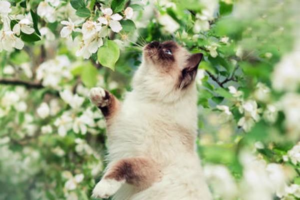
Cats feel weather as keenly as people do, storms, cold, heat, and humidity all shift their mood and health. Watch for heatstroke and hypothermia in extremes, and keep the home between 20 and 25 C with sun, warmth, and steady routine.

What to Do If You Find a Stray Kitten
Finding a stray kitten does not always mean you should take it. If it looks healthy and the mother may still return, watch from a distance for 30 minutes to 3 hours first. Once you commit, the priorities are warmth, a vet check, and round-the-clock feeding with kitten formula — never bathe it or drop it at a crowded shelter. Kittens under three weeks cannot regulate their own temperature and need feeding every 2 to 3 hours.

Winter Dog-Care Myths: Clothes, Heating Pads, Overfeeding, and Boots
Common winter mistakes are dressing every dog (double-coated breeds like Huskies need no clothes), using unsafe heated beds, overfeeding because the dog is less active, and leaving boots on too long, which breeds fungus and warps the gait. Dress only short-haired or single-coated dogs in breathable cotton, and keep portions steady through the cold months.

Common Winter Feeding Mistakes for Dogs
As temperatures drop, many owners overfeed their dogs to 'build winter fat,' but that backfires. The real winter risks are digestive upset from sudden diet changes, pancreatitis from too much meat, obesity from sweets, and dehydration from dry indoor air. Keep portions steady, offer warm water under 20°C, and aim for balanced, smaller frequent meals with regular exercise.

Cat Cold: Symptoms and Home Care
A sneezing or eye-discharging cat may have a mild viral cold or the start of a worse respiratory infection. Nearly all cat colds trace to calicivirus or herpesvirus, with signs appearing days to two weeks after exposure. Watch for mouth breathing, fever, or loss of appetite, and treat any cough, labored breathing, or darkening mucus as a red flag for pneumonia or secondary bacterial infection — and never give human or dog medication.

Is It Normal for a Cat to Sleep on Its Back?
Sleeping on its back is perfectly normal and is one of a cat's many poses; it usually means the cat feels completely safe and trusts its surroundings, since the belly is its most vulnerable spot, and it can also be a way to cool off through the sweat glands on the paws and face. Other common postures — curled up, on the side, or front paws tucked — each signal a different level of relaxation or wariness, so watching how a cat sleeps tells you how secure it feels.
Best Ways to Treat Diarrhea in a Budgerigar
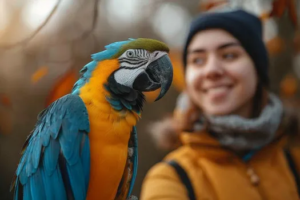
Diarrhea in budgerigars shows as watery, discolored droppings, a soiled vent, lethargy, and extra drinking — and can be fatal if ignored. Start with garlic water and warmth for a day or two, move to oxytetracycline if there's no improvement, and suspect chlamydia (psittacosis) when eye and nose discharge appear.

How to Care for a Dog in Heat (Estrus)
A dog in heat needs extra nutrition, daily cleaning of the genital area, and dog diapers to prevent soiling and unplanned mating; the cycle lasts about two weeks. Skip baths, keep her warm, avoid contact with other dogs, and respect her irritable mood — and consider spaying if you don't plan to breed.
Do Cats Get Cold Outside in Winter?
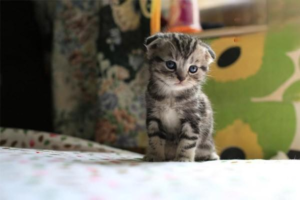
Cats do feel the cold despite their thick coats, and once temperatures drop past what they can bear they get chilled and sick — so bring outdoor cats inside in winter. Raise food a little (they burn energy faster), keep them moving and sunny, dress them for outings, and shield pregnant cats and drafts to avoid winter colds and pneumonia.

Can You Give a Pregnant Cat an Injection for a Cold
A pregnant cat with a cold is best treated without injections: the stress of a shot can frighten her and risk premature labor or miscarriage. Use gentle, pregnancy-safe symptomatic meds, keep her warm, and feed a balanced diet, and never give human cold medicine, which is toxic to cats.