Search Results
3791 results for “Vomiting”

Why Does Your Dog Keep Hiccupping—Eating Too Much?
Dog hiccups are diaphragm spasms from swallowed air, gassy food, stress, fast eating, or poor digestion. Soothe with warm water and calm; nonstop hiccups with vomiting may mean gastric torsion—see a vet.

When Should You Switch Your Dog’s Food
Switch dog food at weaning, adulthood, and senior years, or when the coat dulls, energy drops, or obesity appears. Use a gradual 7-day transition to avoid gut upset; keep the brand stable otherwise.
Natural Foods That Help Prevent Hairballs
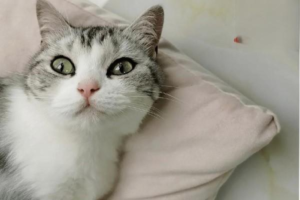
Hairballs form when cats swallow groomed fur; instead of only hairball paste, try cat grass, a little olive oil, mashed sweet potato, or oatmeal to aid passage. Use in moderation and alternate with paste.

How Long Does It Take a Dog to Recover from Overeating
Overeating causes belly pain, vomiting, and soft stools. Mild cases recover in a few hours, severe ones in about a day; withhold food and water three hours and add probiotics. Never force exercise, as it risks fatal gastric torsion.

Can Constant Cat Diarrhea Be Life-Threatening?
Persistent diarrhea can be fatal—causes include food allergy, viral/bacterial infection, parasites like coccidia, organ disease or panleukopenia, and stress. Find the cause with a vet; an unvaccinated cat with diarrhea may have deadly panleukopenia.

What Foods Are Toxic to Cats?
Keep cats away from alliums, chocolate, caffeine, raw fish/shellfish, raw pork, bones, and milk—these cause anemia, poisoning, B1 deficiency, or gut injury. Toxic plants include lilies, tulips, and aloe. A cat's gut is delicate; don't indulge begging.
What Causes Jaundice in Cats?
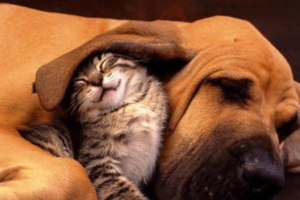
Cat jaundice is usually triggered by anorexia leading to fatty liver, where unmetabolized fat builds up and red-cell breakdown yellows the skin. Treatment centers on getting the cat to eat—passively then actively—plus a bile-acid liver supplement.

Is Your Cat Turning Yellow a Sign of Illness?
Yellow skin, gums, or eyes in a cat mean jaundice—usually liver trouble from excess bilirubin. It splits into prehepatic, hepatic, and posthepatic types; diagnosis must come from a vet, and posthepatic cases need surgery, not just medication.

Bacterial Infections in Dogs and Cats: Symptoms and Medications
Bacterial infections in dogs and cats range from leptospirosis and Lyme disease to E. coli, brucellosis, pasteurellosis, staph, and salmonella. This guide summarizes each disease's signs and the drugs and prevention that matter most.

Several Causes of Retching in Cats
Cats retch from hairballs, swallowed objects, dehydration, or intestinal parasites. See a vet for diagnosis and treatment, since a cat's stomach is easily damaged.