Search Results
3791 results for “Vomiting”

How to Properly Give Your Dog Oral Dewormers
After a few days home, the new dog has adapted and eats normally - now it is time for internal deworming. Check our puppy internal-dewormer review to pick a suitable one.

The Importance of Deworming Your Dog
Many dog owners overlook the importance of deworming and are confused about how to do it. Deworm monthly; it splits into external (monthly) and internal (every 3 months), but methods differ by product, so follow the label for safety.

Complete Guide to Summer Internal Deworming
Many owners think no worms in stool means no need for internal deworming. But a dog that sniffs the ground, eats fallen food and meets other dogs daily has high chance of internal parasites. How to tell the source, pick targeted drugs and avoid zoonosis? This guide explains.

Summer Tips to Prevent Dog Heatstroke
This time we write about keeping fur kids cool in summer; owners must not be lazy, or severe heatstroke can be fatal. On hot days people sweat; how much more a dog in a thick long coat.

Do Dogs Need Deworming in Spring?
Parasites by site split into internal and external, both harming dog health and slowing puppy growth, and causing other disease. Let's see whether spring deworming is needed.

Don’t Starve a Picky Cat for Days — It Can Cause Fatty Liver
As is well known, a cat's taste buds are sensitive, so they are picky eaters. When owners suddenly switch to new food or buy new treats on a whim, the cat may simply refuse them.

Symptoms That Show Your Cat Is Sick
Cats are extremely stoic pets, so it's hard to tell if they have a health problem.
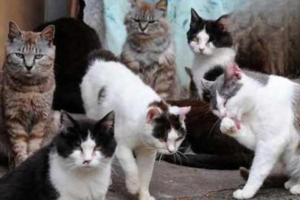
How to Treat a Cat That Drools
Cat twitching and drooling is often from pharyngitis, esophageal obstruction, tonsillitis, or salivary-gland inflammation. Fish bones or swallowed toys are common obstructions. Many factors cause drooling; treatment must fit the specific condition.

What ‘Flipped Intestine’ (Intussusception) Means in Dogs
Among dog keepers you often hear 'flipped intestine disease.' It mostly hits puppies — deep depression, frequent vomiting, tarry mucus stool, arched back, constant moaning, high death rate.

How to Prevent Seasonal Diseases in Cats
Whenever the seasons change, cats of different age groups face different health risks depending on their condition, medical history, and home environment. Below, we distinguish between young cats and senior cats and introduce the precautions to keep in mind during seasonal transitions.