Search Results
3788 results for “Vomiting”

What to Feed a Sick Dog That Won’t Eat
A sick dog's lost appetite is normal, especially with gut pain, a cold, or sniffles, but the right nudge depends on the cause — warm aromatic food for congestion, brief fasting for vomiting, and tasty canned food during recovery. If it eats nothing for over two days, see a vet.

What Causes Blood in a Dog’s Urine?
Blood in urine usually means a few streaks rather than a gush, but it warrants attention. Common causes are urinary-tract disease (cystitis, urethritis, stones), poisoning from onion/chocolate/grapes, or pseudo-blood from a male in heat. Get a diagnosis first; treatment ranges from fluids and surgery to neutering.

How Dangerous Is Urinary Blockage in Male Cats?
Urinary blockage is one of the most common — and most recurring — emergencies in male cats, and if untreated it damages the kidneys and can kill. Watch for frequent, strained, bloody, or absent urination, and prevent it with water, the right diet, low stress, and exercise.

Should You Withhold Food When a Dog Overeats? How to Help
Overeating strains a dog's stomach, so a short fast plus gentle exercise helps food settle. Hold off on water — kibble swells and can risk gastric perforation — use probiotics for mild indigestion, and withhold food for about three hours if vomiting occurs, but see a vet if it persists. Training your dog to refuse strangers' treats prevents repeat bouts.

What to Do When a Dog’s Gastroenteritis Keeps Coming Back
Recurring gastroenteritis shows up as vomiting, foul watery diarrhea, abdominal pain, and dehydration, often driven by overeating, contaminated food, or weak gut immunity. Prevent flare-ups with fresh clean water, fixed meal portions, and slow-feeder bowls; see a vet promptly if dehydration sets in.

Is Cat Diarrhea a Sign of Illness? How to Treat It
Cat diarrhea isn't always serious, but it can signal gut infection, plant poisoning (lilies are deadly), parasites, or even panleukopenia. Stabilize the gut, keep food consistent, maintain parasite control, and treat any suspected poisoning as an emergency.

Is It Normal for a Cat to Keep Throwing Up Hairballs?
Cats swallow fur while grooming, and vomiting the resulting hairball is normal — but constant hacking risks hairball syndrome, a gut-blocking mass. Ease it with cat grass, hairball paste, or a little cod-liver oil, and brush often to limit swallowed fur.

Can You Deworm a Kitten During a Cold or While on Shots?
Don't deworm a kitten while it has a cold or is on medication — the drug's mild toxicity can trigger vomiting, diarrhea, or slow recovery. Hold off until a week after full recovery, dose by weight, and keep the cat warm, isolated, and well-fed in the meantime.
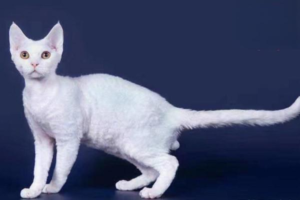
Cold Symptoms and Fever in Sphynx (Hairless) Cats
Sphynx (hairless) cats lack a fur coat and lose heat far more easily, so they catch colds more readily than other breeds. Mild cases with a low fever under 39.5°C can often recover at home with warmth and supportive care, but a cat that won't eat, grows weak, or fails to improve needs prompt veterinary attention.

Telling a Cat Cold Apart from Feline Panleukopenia (Distemper)
A simple cat cold brings sneezing, runny nose, and a mild fever that often resolves in a few days. Feline panleukopenia (distemper) is far more dangerous: a high fever of 40–41°C, repeated vomiting of yellow bile, and bloody, foul-smelling diarrhea. Any sudden high fever should be treated as an emergency and checked by a vet immediately.