Search Results
3788 results for “Vomiting”

How to Use Dog Dental Chews Safely
Dental chews come in three kinds — rawhide or bone rolls (treats that also help the teeth), dedicated chew bones (for cleaning and teething comfort), and rope or plastic toys. Pick the right size and hardness, supervise gnawing so it does not go on too long, avoid dyed chews for white-coated breeds, and replace them regularly so bacteria do not reach the gut and cause diarrhea.

What to Do If a Dog Is Hit by an E-Bike
If a dog vomits or passes blood right after being struck, suspect internal organ damage and get it to a clinic at once; if it seems fine at first but vomits and goes off food the next day, a concussion is more likely — check the eye whites for dense red veins, a sign of internal bleeding. Keep the dog resting, give circulation-promoting medication at half the adult dose, and see a vet if an intestine protrudes or the red veins do not fade within about a week.
Causes and Treatment of Clear Mucus in Cat Stool
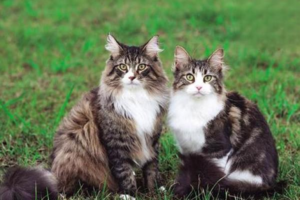
Clear mucus in a cat's stool can mean gut trouble, intestinal parasites, or panleukopenia, and ignoring it can lead to worse illness. Parasites from raw food and missed deworming need a dewormer or fecal test; diet-driven gastroenteritis calls for a short fast, then cat-specific anti-inflammatories and probiotics; and yellow-green vomit with repeated fever points to panleukopenia, which needs a vet at once.

What Is Canine Parvovirus
Canine parvovirus strikes dogs of any age but peaks in late autumn and summer; the enteric form brings sudden high fever, vomiting, and severe diarrhea in 2–6-month pups, while the myocardial form hits around 40-day puppies with sudden breathing trouble and collapse, often fatal within hours. Treatment protects the gut, supports the heart and fluids, and uses hyperimmune serum and antivirals early, with strict isolation and disinfection — and vaccination is the best defense.

Why Is My Cat Having Diarrhea Again?
Diarrhea is loose or unformed stool from food moving too fast through the gut to absorb water and nutrients, and it can be acute or chronic. Causes range from infections, parasites, and diet changes to stress and underlying gut disease; at home, keep water available, feed small frequent easily digested meals, and use smectite or pet probiotics for mild cases — but see a vet for blood, fever, lethargy, or ongoing diarrhea in an unvaccinated cat.

At What Age Can a Dog Eat Canned Food?
Wait until a dog is fully grown before offering canned food — a puppy's gut is too sensitive and canned meals can trigger vomiting and diarrhea. Skip fruit cocktails and don't make cat food a habit; choose dog-specific meat cans as a supplement to kibble, and use meat or dental chews as treats.
Why Cats Foam at the Mouth and How to Treat It
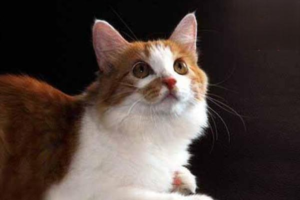
Foaming at the mouth in cats often comes from excess stomach acid, unsuitable or excessive food, poisoning (lilies, acetaminophen), or stress. Treatment depends on the cause — fasting and antibiotics for gastritis, smaller fiber-rich meals for food issues, immediate vet care for poisoning, and a gentle transition for stress.

How to Feed Cats at Different Life Stages
Feeding changes with age: newborn kittens need mother's milk or kitten formula (never cow's milk), wean onto soaked kitten kibble by two to four months, add cans and egg yolk through six months, switch to adult food after a year, and move seniors to soft or soaked meals. Match the diet to each stage to avoid malnutrition and tummy trouble.

How to Prevent Toxoplasmosis in Cats
Toxoplasmosis spreads mainly through cat faeces and infected raw meat, showing as chronic weight loss and anaemia or acute fever above 40°C with breathing trouble — and it can cause miscarriage in pregnant queens. Keep cats indoors, deworm regularly with a product that targets the parasite, cook any meat you feed, and clear litter with gloves to stay safe.
Does a Cat Need to Fast Before a Checkup? Pre-Exam Tips
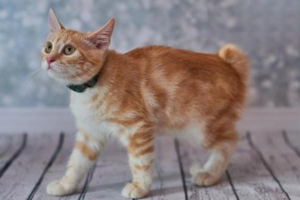
Cats should be checked at least yearly, with tests matched to age — and a little prep improves accuracy. Keep life calm for a week before, fast only if blood glucose or bile-acid tests are planned, and bring a note of any changes (drinking, weight, vomiting, litter habits) to discuss with the vet.