Search Results
3803 results for “Vomiting”

Does a Boarded Cat Feel Abandoned?
Cats don't grasp the abstract idea of being 'abandoned,' but they do form a secure attachment through daily life with you. Away from familiar smells, routine, and you, they can lose their sense of safety and stress out. Not every cat reacts this way—outgoing, well-socialized ones may settle in a day or three. Familiar items and a slow reintroduction at home make boarding far easier on them.

Dog Passed No Worms After Dewormer—Did It Fail?
Not seeing worms in the stool after a dewormer doesn't mean it didn't work. Modern dewormers break down parasites inside the gut so they're absorbed or passed invisibly, and many infections are simply too light—or involve microscopic protozoa—to ever show. Visible worms usually mean a heavy prior infection. The real proof is your dog's condition and a fecal exam, not what you see in the tray.
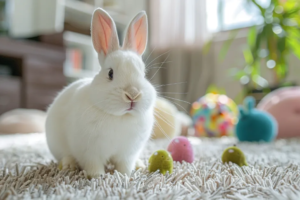
How to Prevent Pica in Rabbits
Pica is when a rabbit eats non-food items like fabric, plastic, paper or wires, often from unbalanced fiber, lack of chew material, stress, boredom or loneliness, or an underlying problem such as overgrown teeth or gut parasites. Prevent it with plenty of hay and fresh vegetables, clean bowls, safe chew toys, tunnels and climbing spots, and regular social contact and affection. If diarrhea, constipation or vomiting appears, see a vet, since digestive disease can drive the behavior.

Common Genetic Diseases in Ragdoll Cats
Ragdolls are prone to two inherited diseases: hypertrophic cardiomyopathy, where the heart wall thickens and can cause sudden cardiac death, and polycystic kidney disease, where fluid cysts enlarge the kidneys. HCM peaks at four to eight years and affects about 6 percent of the breed; PKD strikes at three to ten and is avoided if both parents test clear. Neither can be cured, only managed with care, kidney-support diets and vet-guided mineral supplements, so DNA testing and routine prevention matter.

Why Do Dogs Regurgitate and When to Worry
If a dog brings up undigested food and swallows it again while acting normal, that is simple regurgitation, a harmless reflex usually caused by eating too much, too fast or rich food. Feed measured, balanced meals on a schedule to cut it down. But regurgitation is not the same as vomiting; if it comes with low energy, no appetite, or persists, or if the material is yellow-green, coffee-colored or red, see a vet at once for possible blockage, organ or bleeding trouble.

Does a Scratching Cat Always Have Parasites?
A scratching cat doesn't automatically have worms. Itching can come from parasites, but also from skin disease, allergies, dry skin, or even stress. Anxious cats may over-groom until they damage their own skin, creating a vicious itch cycle. If scratching continues after a dewormer, or comes with hair loss, redness, bumps, ulcers, or heavy scaling, it's time for a veterinary check rather than more flea treatment.

Why Does Dog Poop Start Dry Then Turn Loose?
When a dog's stool is dry at the start and loose at the end, it means the gut absorbed water unevenly: the first part sat long and dried out, while the last part moved through too fast to dry. Common, mild causes are diet change, holding stool too long, stress, or gut-flora imbalance. Persistent cases or those with blood, vomiting, or pain can signal megacolon, colitis, or other illness and need a vet.

Is It Normal for Cat Poop to Come in Segments?
Segmented-looking cat poop isn't automatically a problem. If the stool is basically a continuous log with a few cracks and your cat acts normal, it's usually just how the colon forms stool. But hard, stone-like lumps, blood or mucus, straining, or no bowel movement signal early constipation. Boosting water, adding wet food, and daily brushing for hairballs are the first steps; see a vet if it doesn't improve.

How Long Can a Dog with Kidney Failure Live? Three Ways to Add Years
There is no single answer to how long a dog with kidney failure survives—it depends on type, stage, and treatment. Acute failure from toxins or blockage can often be reversed if treated within about 48 hours. Chronic failure in older dogs can't be cured, but mid-stage dogs commonly live 1–3 years and some over 5 with good management. Diet, medication, and daily care are what buy the time.

Can Dog Kidney Failure Be Cured? The Honest Answer
Dog kidney failure splits into two very different pictures. Acute failure—from toxins, severe infection, or a blockage—can often be reversed if treated within about 72 hours. Chronic failure, common in older dogs, is irreversible because most function is already lost before signs appear; the goal then is to slow it down and protect quality of life. Both need a veterinarian's plan, not guesswork.