Search Results
3803 results for “Vomiting”
What to Do When Your Cat Becomes Lethargic?
Cats are naturally quiet companions, but a sudden loss of energy is a signal worth attention. The two main reasons are emotional and physical: a cat left alone too long can grow depressed and withdrawn, while illness—from a simple cold to oral, skin, or stomach problems—drains its spark. Because lethargy is a common early sign of disease, owners should look for other clues and act. This guide explains why cats go listless and how daily companionship plus prompt veterinary care can bring your lively cat back.
Why Does My Cat Foam at the Mouth After Taking Medicine?
It can be alarming to see your cat drool foamy saliva right after a dose of medication. In most cases this is a normal defensive reaction rather than a medical emergency. Cat medicines are usually bitter and lack the sugar coating found on many human pills, so the unpleasant taste alone can trigger gagging and vomiting. Some drugs are also physically irritating to the stomach lining, especially when given on an empty stomach. Understanding the two main causes—bitterness and gastric irritation—helps you give medicine more comfortably and know when foaming is simply a passing reaction versus a sign you should slow down and check with your veterinarian.
How to Prevent Heartworm in Cats
Heartworm actually takes hold in a cat's lungs, not the heart, and although cats are not the worm's natural host, they can still be infected by a mosquito carrying larvae. Cats are often overlooked: infection rates are only 5–15% of a dog's under the same conditions, symptoms are subtle (about 28% show none), and tests are less accurate than in dogs. Prevention matters — avoid mosquitoes and use a vet-prescribed monthly topical preventive. Test for infection before giving any preventive, since treating an already-infected cat can cause shock.

Helping Your Cat Through Shedding Season
As temperatures rise, cats shed heavily and fur flies everywhere—a seasonal battle every owner faces. Shedding is natural, but shaving the cat is a bad idea (it risks skin disease, chills, and ugly regrowth). Expect more hairball vomiting, and fight back with three tools: a good brush to cut daily loose fur, a lint remover (brush for furniture, roller for clothes), and a sweeper (robot, vacuum, or damp mop) for floors. A little extra hairball paste in season helps too.
Soft Stools After Switching Cat Food? Here’s Why
Cats are built for high protein, so a new high-protein food alone shouldn't cause trouble—but sudden switches often do. Long-fed low-protein diets leave the gut making few protein enzymes, so a jump to rich food causes indigestion, vomiting, and loose stools; use the 7-day transition. If soft stools persist, it may be an allergy to a specific animal protein or a filler like pea; try a different protein or a single-source food. Also note many foods use beet as a mild anti-diarrhea agent, so dropping it can loosen stools—and weak-stomached cats do better on set mealtimes.
8 Plants You Must Never Keep With a Cat
Cats are endlessly curious and will sneak a taste of houseplants, but many common flowers are toxic—ranging from vomiting and drooling to liver failure and death. This list covers eight dangerous plants, their toxic agents, and symptoms: hyacinth, carnation, tulip, chrysanthemum, hydrangea, lily (extremely poisonous), pothos/umbrella tree, and lucky bamboo. If your cat eats one, bring the plant to the vet for correct identification, and keep toxic plants well out of reach.

What Are the Symptoms of a Dog Cold?
Dog cold symptoms mirror those of cats and people—mostly upper-respiratory: sneezing, runny nose, cough, and fever. A bacterial cold usually comes from getting chilled (sudden temperature drops, high humidity, or a wet coat after a bath) and is often mild, sometimes needing only simple care; with Bordetella infection a dog will cough. A viral cold demands attention—the top suspect is distemper, whose signs span the respiratory, digestive (vomiting, diarrhea), nervous (loss of balance, head tilt, tremors, seizures), and skin (pustular rash, thickened nose/paw pads) systems. Know the difference so you can act fast.
Can a Cat Vomit from a Cold?
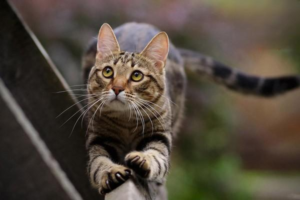
Yes—a cat can vomit from a cold, usually from the chill. Like people, a cat may feel nauseated when chilled, and vomiting may briefly ease the feeling, but vomiting harms a cat's stomach, so during a cold support the gut with probiotics that also revive appetite. A cold shows as sneezing, runny nose, cough, fever, lethargy, and poor appetite; use these to confirm the cause. If it vomits without those signs, look to diet or stomach trouble instead. Treatment is simple: warm the cat, give water and nutrition; severe cases need vet-prescribed cat cold medicine. During recovery, don't overfeed, keep it from chilling again, and add a nutrient paste once it improves.

What to Do When a Cat with a Cold Won’t Eat
A cat with a cold feels as miserable as a sick person and may refuse food and lose spirit. If the cold worsens it can also vomit, diarrhea, or dehydrate. Keep the cat hydrated—if it won't drink, syringe-feed water. Feed small, frequent meals that are finished within about 20 minutes to stay fresh, and choose strongly scented foods (like fish-based cans) since a stuffy nose dulls smell and appetite. A robust cat can recover from an ordinary cold with enough food, water, and micronutrients; severe viral or bacterial colds need a vet to find the cause and treat it.

Why Is Your Cat Suddenly Sleepy and Inactive?
A suddenly lethargic, sleepy cat may simply be reacting to weather or age, or it may be sick. If otherwise normal with no vomiting, diarrhea, or appetite loss, it's likely harmless. But fever, pregnancy, a respiratory infection, indigestion, or low calcium, tumors, stress, or a recent vaccination can all cause drowsiness. Measure temperature if it won't wake and eats poorly, keep a chilled cat warm, use a probiotic for gas, and see a vet for any long-term lethargy.