Search Results
3803 results for “Vomiting”
Helping a Cat Through Moving Stress
After a move a cat may hide, pant, stop eating, or even develop feline idiopathic cystitis from stress. Set up a quiet 'safe base' with its familiar bed, toys, and scent, run a synthetic pheromone diffuser, and speak and pet gently without forcing it out. If it refuses food and water over 24 hours, vomits, strains to urinate, or breathes fast with pale gums, see a vet — adapting can take 1–2 weeks.
Why Is My Senior Dog Panting Heavily?
Rapid breathing in a senior dog is not 'just old age' — a normal rate is 10–40 breaths per minute and seniors are usually slower. Persistent fast, heavy breathing at rest points to heart or lung disease, metabolic upset, chronic pain, or environment (heat, poor air, obesity, brachycephalic breeds). Keep it cool, calm, and ventilated, log the rate and other signs, and see a vet promptly; many senior diseases progress fast.

Do Kittens Get Diarrhea With the Seasons?
Kittens often get loose stools at season changes because shifts in temperature, humidity, and pressure stress sensitive cats and upset gut flora, worsened by cold bellies and abrupt diet changes. Keep them warm, keep the diet simple, and add a probiotic (Bacillus subtilis, Saccharomyces boulardii); if diarrhea is watery, bloody, smelly, with lethargy or other signs beyond 3 days, see a vet.

Is the Shandong Lion Cat Easy to Keep?
The Shandong Lion Cat (Linqing) is a native Chinese breed with long fur and often odd-colored eyes. It's quiet, affectionate, and easygoing but sheds heavily and needs daily brushing plus hairball paste; odd-eyed white cats often have hearing loss on the blue side. Hardy, long-lived (12–15 years), and a great mouser, it suits experienced owners with a calm, roomy home.

Common Palatants in Cat Food
Safe natural palatants include animal liver, animal fats, brewer's yeast, and plant extracts (rosemary, citric acid, clove). Avoid controversial ones like pyrophosphates, monosodium glutamate, hydrolyzed animal protein, and artificial flavorings, which can cause pickiness or health issues over time.
How to Tell If a Cat Food Suits Your Cat
No food is 'best' — only 'right for your cat.' Watch appetite (boredom-eaters and frenzied gobblers both signal issues), stool (mild softness in week one is normal; past two weeks, or with vomiting and a sour smell, it's wrong), weight (too thin or over 10% gain), coat (dry, extra shedding), and signs like eye discharge, tears, bad breath, or chin acne. Try sample sizes first and switch over 7 days.
How Does a Toothless Dog Eat?
A dog without teeth can still eat kibble — dogs don't chew much anyway, and strong stomach acid plus digestible kibble handle it. For weak guts, pick small, softened kibble, homemade mush, or wet food. Avoid hard chews, bones, and sticky foods, use a shallow non-slip bowl, and feed small meals often.

How to Manage a Cat’s Frequent Soft Stools
Frequent soft stools usually come from a sudden food change, allergy, bad food, parasites, or gut-flora imbalance. Keep a food diary, switch foods over 7 days, add a cat probiotic, cut environmental stress, and deworm regularly; if it persists with weight loss, a fecal test and prescription diet may be needed.
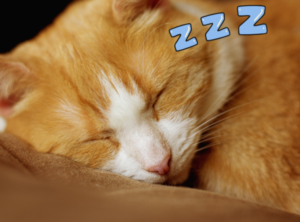
Is It Normal for a Cat to Sleep All Day?
It's normal for a healthy adult cat to sleep 15–20 hours a day (kittens and seniors even more). Most of that is light dozing — only 20–30% is deep sleep. If your cat wakes cheerful and eats normally, don't worry; but sudden lethargy with appetite loss, weight loss, fast breathing, or hiding needs a vet.
How Many Meals a Day Should a Cat Eat?
Cats evolved to eat small amounts often (wild cats hunt 10–20 times a day), so mimic that with frequent small meals. Kittens need 4–6 meals, adults 2–4, seniors 3–6; free-choice feeding risks obesity, while scheduled meals let you spot illness early. Pregnant or nursing cats and dieting cats need their own plans.